
« International Flights to Xinjiang | HOME PAGE | Korla Fragrant Pears »
September 05, 2006
"A Soul That Refuses to Go Away"
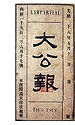 Ta Kung Pao (大公报) is the PRC's official Communist Party mouthpiece in Hong Kong... so when the paper publishes a fiery anti-Uyghur separatist editorial, it's worth reading. Coming on the heels of last week's foiled "bomb plot", the diatribe may be a sign of more intense public security activities to come here in Xinjiang. The translated article reached me via the BBC Monitoring Service. Some interesting excerpts:
In the past decades, although China has always cracked down on the East Turkestan separatist forces in a high-handed manner, East Turkestan is still like a soul that refuses to go away and continues to cause trouble. The reason for this is because in the process of fighting against the East Turkestan separatist forces, China has mainly taken "stopgap" measures with launching attacks on them as the dominant factor without taking measures to "eliminate the root causes" to remove this cancer.
[The] heresy of separatism is like an undercurrent flowing among some people in Xinjiang and its poisonous influence is far-reaching. As a matter of fact, it has been passed on from generation to generation among some people. If all-out efforts are not made to smash it, the "East Turkestan" forces will continue to rise one after another despite suppression. It is not right to say that the Chinese government has turned a blind eye and a deaf ear to the "East Turkestan" theories, but its efforts to root it out are obviously insufficient.
Yikes! You can read the full translation below.
Chinese government urged to deal harshly with Xinjiang separatism - paper
2 September 2006
BBC Monitoring Asia Pacific
Text of report by Yang Ching-lin headlined: "Eliminate root causes in combating terrorism: smash East Turkestan theories"; published by Hong Kong newspaper Ta Kung Pao website on 1 September
From 24 to 26 August, China and Kazakhstan held a joint antiterrorist exercise codenamed "Tianshan No 1 (2006)" and, on 28 August, the Xinjiang Public Security Department announced a region-wide checking of explosives in Xinjiang beginning that day, thus giving no opportunity for the "three forces" [forces of separatism, terrorism and extremism] to take advantage of the situation.
These moves by China to crack down on terrorists will make it more and more difficult for the "three forces" to conduct separatist and terrorist activities in Xinjiang.
However, it is also necessary to pay attention to the fact that in the past decades, although China has always cracked down on the East Turkestan separatist forces in a high-handed manner, East Turkestan is still like a soul that refuses to go away and continues to cause trouble. The reason for this is because in the process of fighting against the East Turkestan separatist forces, China has mainly taken "stopgap" measures with launching attacks on them as the dominant factor without taking measures to "eliminate the root causes" to remove this cancer.
The late modern Xinjiang history has proved that the root cause to the rampant "three forces" is the ideological system of "East Turkestan" national separatism. So long as this banner of a set of fabricated separatist ideology remains standing, the activities of the separatist forces will continue.
"East Turkestan" is a concept with political connotation created by the Western powers in pursuing the colonialist policy in Central Asia in the 19th century and they called the Hezhong (Samarkand) area of Central Asia swallowed up by Czarist Russia "West Turkestan" and the Tarim Basin in Xinjiang, China, "East Turkestan".
This is not a standard name but, in the early 20th century, the ideological trends of "Pan-Islamism" and "Pan-Turkism" infiltrated into Xinjiang. On the basis of what is said about opposing the colonial rule and striving for national independence in the ideological trends of "Pan-Islamism" and "Pan-Turkism", Xinjiang's separatist forces have regarded the Chinese Central Government and the Xinjiang local authorities as the colonial rule in Xinjiang and professed that Xinjiang should oppose China's colonial rule, strive for national unification and build an "East Turkestan Islamic" country.
Instigated by this ideological trend, the separatist forces set up the "East Turkestan Islamic Republic" in Kashi in 1933 that lasted only three months, and again set up the separatist political regime of the "East Turkestan Republic" in Ili in 1944 that lasted for one year and eight months.
In 1940, Mehmet Emin Bughra, one of the ringleaders of the separatist political regime "East Turkestan Islamic Republic", published abroad the book the "History of East Turkestan." This fabricated book says "East Turkestan" (Xinjiang) has been an independent country since ancient time and denies the historical fact that since the Han dynasty, Xinjiang has been under the jurisdiction of the emperor dynasties of China in the Central Plain. It has fabricated the story that the Second Turkish Khanate, an alliance of Turkic groups, which was established in 552 and fell in 744, was a nation that already existed 11,000 years ago (5,000 years earlier than Egypt).
This book has methodized, theorized and systemized the East Turkestan separatist ideology. It has become the "ideological and spiritual support" of the separatist forces and has been secretly spread in Xinjiang. In 1987, an enlarged edition of the book appeared in Ankara in Turkey, which has made the East Turkestan separatist ideological system even more "perfect".
Taking a panoramic view of the separatist activities conducted by the separatists in Xinjiang in the past decades, we shall find that they are guided without exception by the "East Turkestan" separatist theories.
This kind of heresy of separatism is like an undercurrent flowing among some people in Xinjiang and its poisonous influence is far-reaching. As a matter of fact, it has been passed on from generation to generation among some people. If all-out efforts are not made to smash it, the "East Turkestan" forces will continue to rise one after another despite suppression. It is not right to say that the Chinese government has turned a blind eye and a deaf ear to the "East Turkestan" theories, but its efforts to root it out are obviously insufficient. For example, theses that clarify matters and get to the bottom of things about the "East Turkestan" theories are rare; and in open propaganda, the "East Turkestan" theories are seldom refuted strongly on just grounds and usually only a general statement or denunciation is made. The government spokesman has frequently used the term "as is known to all", but as a matter of fact, most people are not clear about the history and origin of "East Turkestan".
Therefore, China should regard smashing the separatist ideological and theoretical system of "East Turkestan" as the most important task in cracking down on the conspiracy of the "three forces" of separating Xinjiang; and should inform countries with which it has established diplomatic relations about the criticism of this separatist ideological system and put it into the history textbooks in China. In this way, such separatist ideology will find no support among the people at home and abroad, and the conspiracy of the separatist forces will completely fall through.

posted September 05, 2006 at 12:34 AM unofficial Xinjiang time | HaoHao This!
Comments
Indeed, Pan-Turkic movement promoted by West was a tool to wrech the Soviet Union's central republics. But before that, the Russia Empire did try to get it independant in its "Big Game" to fight with British Empire.
Historically speaking, Uyghur is not Turks at all. Its original tribe was Dingling that lives in Lake Barka. Dingling was conquired by XiongNu (Huns) and was forced to move down to the south. One branch of Dingling moved into Center plain and merged into Chinese Han ethnic. The remaining stayed in Mongol steppe, and was called Gaochi, Chile and later on called Tiele. Tiele tribes under Rouran rebelled and was smashed by Turks. When Turk Empire became predominantly, it formed West Turk and East Turk with the border at Altar Mountains. Later on Tang Dynasty was able to destroy both Turkic Empires with help by Tiele, and Tiele also destoryed the Later Turk with joint force from Tang. Then it formed the own state called Huchi (later changed to Hughu) that later on becoming today's Uyghur. This historically speaking, Uyghur is the mix of nomads of Tiele with local people living around Tarim Basin. They are themself and not Turks.
The comment above was posted by Sha at September 5, 2006 02:14 AM unofficial Xinjiang time.
Hi! Sha! It looks like you`re local chinese, but as the matter of fact ,it`s already widely accepted that Uyghurs are turkic people.
According to the historical materials found in Mongolia ,Uyghurs established the great Orhun empire probably one southand 600 years ago, and this is the fact,you know.
The comment above was posted by Adam at September 18, 2006 07:36 PM unofficial Xinjiang time.
The root cause of the East Turkestan Independence movement is China's mistreatment of the Uighurs. By not providing enough economic opportunities and marginalizing them, resentment amongst the Uighurs will continue to grow.
The Chinese govt. are run by a bunch of greedy, chauvinistic idiots.
The comment above was posted by Fred at November 15, 2006 09:00 AM unofficial Xinjiang time.
sex shop | seks market | seks shop | sex shop | erotic shop | sex shop | sex shop | penis büyütücü | vibratör | sex shop | seks shop | penis büyütücü | vibratör | geciktirici sprey | seks partner | arkadaş | arkadaşlık | partner | arkadas | seks partner | iş elbiseleri | iş kıyafetleri | önlük | üniforma | iş elbisesi | yağmurluk | penis büyütücü | penis büyütme | penis | geciktirici sprey | geciktirici | erken boşalma | geciktirici krem | vibratör | penis | dildo | penis büyütücü | penis büyütme | penis büyütmek | penis büyütücüler | jel vibratör | jel penis | jel dildo | belden bağlamalı vibratör | belden bağlamalı penis | belden bağlamalı dildo | protez penis | realistik vibratör | fantazi ürünleri | sado mazo | iç giyim | vibratör set | geciktirici sprey | geciktirici | geciktirici krem | azdırıcı | vajina | penis büyütme | şişme bebek | şişme manken | tala tüy dökücü | tüy dökücü | tüy dökücü krem | penis | şişme erkek manken | şişme erkek bebek | afrodizyak | uyarıcı | feromon | masaj yağı | kremler sikiş | seks seyret | porno seyret | video seyret | sikiş seyret | porno | sex | seks | sikiş izle | porno izle | seks izle | sex izle | gizli çekim | rus sikiş | amatör sikiş izle | gizli çekim sikiş izle | gizli çekim | gizli çekimler | gizli cekim | türk gizli çekim | gizli çekim videoRozet | İsimlik | Grafik Tasarımı | Reklam Tanıtım | Grafik Tasarim | Tükenmez Kalem | Kokart | Reklam Hizmetleri | Kartvizit Tasarımı | Ofset Matbaa | Kartvizitler | Eşantiyon | Promasyon | Reklam Ürünleri | Promosyon Kalem | Reklam Ajanslari | Reklam Ajansi | Reklam Promosyon | Tanıtım Ajansı | Kartvizit Tasarım | Kristal Plaket | Promosyon Anahtarlık | Promosyon Firmaları | Promosyon Malzemeleri | Promosyon Ürünler | Anahtarlik | Şilt | Broşür Tasarımı | Afiş Tasarımı | Broşür Tasarım | Reklam Promosyon | Kadife Kutu | Atatürk | Atatürk Köşesi | Atatürk Resimleri | Atatürk Fotoğrafları | Ataturk | atatürk resmi | atatürk şiirleri | atatürkün anıları | atatürk ün hayatı | kemal atatürk | atatürk hayatı | atatürk inkılapları | atatürk hayati | atatürk köşeleri | atatürk rozeti | atatürk büstü | atatürk kravat | atatürk anahtarlık | atatürk saati | atatürk cam | atatürk porselen | atatürk çerçevesi atatürk | atatürkcü düşünce | atatürkcü düşünce derneği | add | ödül | reklam | plaket | kupa | madalya | madalyon | kristal plaket | şilt | isimlik | cam plaket | lazer kesim | metal etiket | kaşe | promosyon kupa | yaka kartı | ödüller | damla etiket | kupa baskı | madalyonlar | plaket yapımı | madalya plaket | plaketler | plaket imalatı | kupa imalat | kupa imalatı | plaket imalat | cam kupa | kristal cam | plaket baskı
The comment above was posted by sex shop at December 23, 2009 03:10 AM unofficial Xinjiang time.
sfsdf amr so te ana
منتديات |
القرآن الكريم |
المكتبة الاسلامية |
فيديو |
ماسنجر |
مسجات الجوال |
العاب
|
دروس الفوتوشوب |
التفسير |
حواء |
الثقافة الجنسية |
نكت
|
موسوعة الطفل |
تفسير الاحلام |
قصائد مسموعة |
مكتبة صور |
الطب البديل |
احسب وزنك
|
قروب |
توبيكات |
تصميم |
تصميم مواقع |
تصميم منتديات |
تصميم استايلات |
اشهار مواقع |
اشهار
|
للتصميم الاحترافي
|
تصميم احترافي |
تصاميم مواقع |
حماية المواقع |
فلاشات
|
منتديات سعوديه |
منتديات نسائيه
|
منتديات خليجية |
توبيكات
|
املي
|
العاب بنات |
العاب فلاشيه
|
قروب
| منتديات
املي |
فيديو ليلة الدخله |
فيديو بنات
| منتديات
ابناء العرب
| دليل
المواقع |
تواقيع الايميل | الغاز
| المطبخ
|
الموسوعة العلمية | موسوعة
الوطن العربي | هل
تعلم
|
اذكار المسلم |
المسجد الاقصى
| توبيكات
|
عجائب
وغرائب |
بلوتوث
| عالم
حواء |
الحمل
والولاده |
صالون
حواء والخلطات الطبيعية |
مملكة
حواء | الأخبار
|
اللغة الانجليزية |
دروس تعليمية
|
رسائل حب
The comment above was posted by شبكة at January 9, 2010 12:01 AM unofficial Xinjiang time.
Attracting women is very easy if you know the secrets...
Learn What Attracts Women attract women today! CLICK HERE!
Some sites I found you might like:
How To Read Body Language Female Flirting Tips For Shy Guys
-
stand up comedy tips videos
-
cure for psoriasis remedies psoriasis cures
-
dating tips and flirting advice
-
dog tips dog training puppy training tips
-
How To Train A Dog tips and dog obedience training tricks
-
genital herpes treatment tips
-
Want a girl how to attract women seduce women seduction tips attracting women tips for single shy guys
-
Tips to build muscles fast
-
How to attract bautiful women
-
how to attract woman
-
how to Attract More Women
-
how to attract a woman
-
how to attract older women
-
how to attract asian women
-
Ways to attract women
-
how to attract a women
-
how to attract beautiful women guide
-
how to attract women book
-
How to get your ex back Tips to get your ex back free
-
attract asian women
-
Muscle Building Tips burn the fat and become a body builder
-
Watch South Park Online Free
Seduce Women Now!
Seduce Women Today! CLICK HERE!
The comment above was posted by james bond junior2 wannabee at January 15, 2010 10:32 PM unofficial Xinjiang time.
The late modern Xinjiang history has proved that the root cause to the rampant "three forces" is the ideological system of "East Turkestan" national separatism. So long as this banner of a set of fabricated separatist ideology remains standing, the activities of the separatist forces will continue.
The comment above was posted by Miami at April 7, 2010 10:34 PM unofficial Xinjiang time.
Thanks for sharing such a great story.
Advertising
Art and Entertainment
Automotive
Business
Careers
Computers
Education
Finance
Food and Beverage
Health
Hobbies
Home and Family
Home Improvement
Internet
Law
Marketing
News and Society
Real Estate
Relationships
Self Improvement
Shopping
Spiritually
Sports and Fitness
Technology
Travel
Writing
The comment above was posted by Article at April 12, 2010 02:42 PM unofficial Xinjiang time.
Taking a panoramic view of the separatist activities conducted by the separatists in Xinjiang in the past decades, we shall find that they are guided without exception by the "East Turkestan" separatist theories.
The comment above was posted by Florida at April 13, 2010 06:52 PM unofficial Xinjiang time.
thank you read your article makes me very happy and I wish success really very beautiful
chat siteleri | mirc indir | mirc
I know my little chat brother has set up a photo booth at
yonja birthday parties and gives away the photos
as party favors.You can have people make a RFL banner to
almanya sohbet use as a backdrop.Have a digital camera,
fransa sohbet a few memory cards, and a photo printer on site. You can easily charge islami sohbet
$5 a photo. That will be dini sohbet
enough to cover your cost for the ink and still make a significant profit to give to ACS chat siteleri |
mynet chat | yonja | forum siteleri | saglik bilgisi | güncel haberler | guzel sozler | mirc
sohbet odalari | çet | sohbet
netlog çet |
| Forum | forum siteleri | film izle | sinema izle | online film izle |
bedava film izle |indirmeden film izle |
KurSun
| sohbet |
KuRsuN
Çet
Chat
chat
Trsohbet
çet
chat odalari| ThanS You :P
çet
sohbet
sohbet
The comment above was posted by iSo at April 16, 2010 08:06 PM unofficial Xinjiang time.
- دردشة الخليج -
- شات الخليج -
- الخليج -
- شات المميزة
- دردشة -
- دردشه -
- شات -
- شات بنات -
- شات خليج العرب -
- شات الخليج العربي -
- دردشة كتابية -
- شات كتابي -
- دردشة المميزة -
- المميزة -
- شات بنات -
- دردشه الخليج -
- دردشة كتابية -
- شات كتابي -
- شات خليجي -
- دردشة سعودية -
- دردشة بحرينية -
- دردشة عراقية -
- دردشة يمنية -
- دردشة قطرية -
- دردشة اماراتية -
- دردشة سودانية -
- دردشة لبنانية -
- دردشة مغربية -
- دردشة خليجية -
- دردشة فلسطينية -
- دردشة اردنية -
- دردشة مصرية -
- شات جنسي -
- دردشة جنسية -
- شات صوتي -
- دردشة صوتية -
- شات صوتي -
- دردشة صوتية -
- مركز تحميل الاغاني -
- دليل دردشة -
- دردشة ابن اليمن -
- دردشة صوتية يمنية -
- دردشة صوتية عمانية -
- دردشة صوتية اماراتية -
- دردشة صوتية قطرية -
- دردشة صوتية بحرينية -
- دردشة صوتية كويتية -
- دردشة صوتية سعودية -
- دردشة صوتية خليجية -
- دردشة صوتية سودانية -
- دردشة صوتية مصرية -
- دردشة صوتية فلسطينية -
- دردشة صوتية سورية -
- دردشة صوتية لبنانية -
- دردشة صوتية اردنية -
- دردشة صوتية شامية -
- دردشة صوتية عربية -
- دردشة عربية -
- دردشة فور عدن -
- شات كتابي -
- دردشة شامية كتابية -
- شات سعودي -
- شات عربي -
- شات صوتي -
- شات عراقي -
- شات كويتي -
- شات بحريني -
- شات اماراتي -
- شات قطري -
- شات عماني -
- دردشة ليبيا -
- شات يمني -
- شات مصري -
- شات سوداني -
- شات اردني -
- شات سوري -
- شات فلسطيني -
- شات مغربي -
- شات لبناني -
- شات جزائري -
- شات تونسي -
- شات ليبي -
- دردشة خليجية -
- دردشة تونس -
- دردشة ليبية -
- دردشة نار الحب -
- دردشه تعب قلبي -
- دردشه بنت السعوديه -
- دردشة دلع -
- دردشة حبنا -
- دردشة دلع نجد -
- دردشة جزائرية -
- دردشة سورية -
- دردشة كويتية -
- دردشة عمانية -
- دردشة سورية -
- دردشة سعوديات -
- دردشة عربيات
- دردشة كويتيات -
- دردشة بحرينيات -
- دردشة عراقيات -
- دردشة يمنيات -
- دردشة قطريات -
- دردشة اماراتيات -
- دردشة عمانيات -
- دردشة اردنيات -
- دردشة لبنانيات -
- دردشة سوريات -
- دردشة فلسطينيات -
- دردشة مصريات -
- دردشة مغربيات -
- دردشة سودانيات -
- دردشة بنات تعز , شات بنات تعز -
- دردشة بنات المغرب , شات بنات المغرب -
- دردشة سكسية -
- شات مصراوي -
- اغاني عربي mp3 -
- طرب موقع طرب اغاني طرب اغاني mp3 -
- دردشة بنت المغرب
- دردشة بنت تعز -
- دردشة ابن اليمن , شات ابن اليمن -
- منتديات الخليج -
- المنتدى العام -
- المنتدى الاسلامي -
- اناشيد اطفال اناشيد اسلامية -
- اللغة الانجليزية - ترجمة -
- القضـايا الساخنـة والحـوار -
- آخر الأخبار والأحداث -
- الترحيب والاهداءات -
- مجلس الاعضاء -
- كرسي الاعتراف -
- همس القوافي -
- خواطر - قسم الخواطر الأدبية -
- قصص وحكم -
- الرياضة والشباب -
- صور سيارات -
- الفرفشه والضحك -
- الالعاب والمسابقات -
- صور وعجائب -
- صور انمي - افلام انمي -
- افلام ومسلسلات ومسرحيات -
- استار اكاديمي 7 -
- السياحة والسفر - مناظر طبيعية -
- الحياة الزوجية - الاسرة والطفل -
- عالم حواء - فساتين ومكياج وموضة -
- الديكور والاثاث المنزلي -
- اسـرار البنـات -
- منتدى مـائدة الخليج -
- الصحة والطب -
- بلاك بيري و ايفون -
- قسم البرامج العربية والمعربة -
- الجرافيكس والتصميم -
- ملحقات الفوتوشوب والفلاش -
- قسم تصاميم الفلاش والسويتش -
- البرامج والكمبيوتر و تبادل الخبرات -
- مشاكل وحلول القسم الـتـقـنـي -
- توبيكات ملونة - صور ماسنجر -
- مسجات - رسائل وسائط -
- مــنــتــدى تغــيير النــك نيـــم - الأســم -
- شات الخليج -
- دردشة الخليج -
- توبيكات -
- طرب -
- اغاني -
شات صوتي
شات سوري
شات سوريا
دردشة سورية
دردشة سوريه
دردشة سوريات
شامية
شات شامي
شات الشام
دردشة سوريا
دردشة شاميه
دردشة شاميات
منتديات سورية
منتدى سوريات
منتدى شامي
منتدى سوريا
منتديات الشام
منتديات شامية
The comment above was posted by دردشة الخليج at April 20, 2010 01:34 AM unofficial Xinjiang time.
أكبر تواجد بالمنتدى كان: 155 بتاريخ منذ يوم مضى الساعة 05:51 PM
The comment above was posted by حصري at May 2, 2010 02:47 AM unofficial Xinjiang time.
حصري
منتديات حصري
فتاوى
حكم
الاسلام
احكام
رمضان
شهر رمضان
منتدى رمضان
دروس رمضانيه
فلاشات رمضانيه
القران الكريم
تلاوه - ترتيل القران
عبدالرحمن السديس
الحديث
البدع
اناشيد
صوتيات
مرئيات اسلامية أناشيد
اناشيد اطفال
اناشيد فرقة طيور الجنة
فريق طيور الجنة
طيور الجنة
طيور الجنة mp3
منتديات اسلامية
فديو رايت شمسا
تحميل رايت شمسا
أدب وثقافة وشعر و قصص و وروايات
همس القوافي
شعر -قصائد متنوعة
أعذب القصائد
قصص- روايات
Novels
روايات
قصص طويله
قصص مشوقه
روايات طويله
خواطر حب
خواطر
خواطر فراق
خواطر عشق
قصائد صوتية
قصائد
مولات
شاعر
المليون
منتديات ترفيهية
صور x صور
صور
خلفيات -
خلفيات حاسوب
حافضات الشاشة
صور سيارات
صور سيارات 2010
صور سيارات 2011
مسابقات -
الغاز
نكت -
طرائف -
ضحك -
نكت وطرائف
يوتيوب -
موقع يوتيوب -
يوتيوب فيديو
العاب فلاش -
العاب بنات -
العاب كمبيوتر -
تحميل العاب
ألعاب طبخ
ألعاب ديكور
ألعاب قتالية
ألعاب طائرات
ألعاب كرة السلة
ألعاب بليارد
ألعاب رياضية
ألعاب ماريو
العاب ذكاء
العاب تلبيس
العاب التلبيس
ألعاب ميك اب
ألعاب باربي
ألعاب الرماية
ألعاب أكشن
ألعاب كرة قدم
ألعاب سيارات
ألعاب دبابات
ألعاب سونيك
العاب فلاش ورق
العاب أطفال
ألعاب بنات
ألعاب أزياء
غرائب
عجائب
غرائب و عجائب
غرائب العالم
الأسرة -
الطفل
العناية بالأطفال
كيف تربي ابنك
تغذية الطفل
فساتين سهرة
ازياء
اكسسوارات
ملابس
موضه
فساتين
العنايه بالشعر
الشعر
زيت
مكياج
ميك اب
اسرار البنات
وصفات لتبيض
البشرة
اكسسوارات -
مكياج عيون -
مكياج 2010
مكياج 2011
تسريحات
تطوير الذات -
تنمية القدرات -
تنمية العقل
طبخ -
اكلات -
مطبخ -
حلويات -
معجنات -
وجبات
السفره الرمضانيه
طب -
صحه -
غذاء -
الطب البديل -
اعشاب -
ريجيم
ديكور -
غرف نوم -
ديكورات -
اثاث -
غرف -
مطابخ
برامج كمبيوتر
برنامج
برامج
منتدي برامج نت
منتديات برامج نت
برامج نت
برامج حماية
برامج ماسنجر -
ماسنجر
توبيكات
توبكات ملونه للماسنجر
اخبار التكنولوجيا -
أخبار التقنية
منتدى تطوير المواقع والمنتديات
منتدى تطوير المواقع
منتدى تطوير المنتديات
منتديات كورة -
اخبار الرياضة
منتدى الكرة العربية
منتدى كووورة القدم الإنجليزية
منتدى كووورة القدم الإسبانية
منتدى كووورة القدم الإيطالية
منتدى كووورة القدم العالمية
منتدى الرياضه العالميه
منتديات كووورة
منتدى كووورة
كووورة
كووورة العربية
كووورة الإنجليزية
كووورة الإسبانية
كووورة الإيطالية
كووورة العالمية
المصارعة الحرة -
مصارعة حرة
المصارعة
برامج جوال -
برنامج للجوال
العاب الجوال -
العاب جوال
برامج جوال
برامج نوكيا
العاب جوال
العاب نوكيا
ثيمات جوال
ثيمات نوكيا
مسجات الجوال
نغمات الجوال
رنة الجوال
Pocket Pc برامج
الكومينيكوتر
برامج الكومينيكوتر
Communicator برامج
Communicator برامج Sony Ericsson برامج
برامج كمبيوتر بسي
برامج Pocket Pc
Pocket Pc
كمبيوتر بسي
برامج الايفون
iphone برامج
برامج البود
ipod برامج
الأيبود برامج
الايفون
iphone
الأيبود
iPod
--------------
توبيكات حزينه -
توبيكات حزن
توبيكات رومانسية -
توبيكات حب
توبيكات شعرية -
توبيكات شعر
توبيكات غرور -
توبيكات الغرور
توبيكات خيانه -
توبيكات الخيانة
توبيكات كبرياء -
توبيكات الكبرياء
توبيكات عتاب -
توبيكات العتاب
توبيكات اغاني -
توبيكات الاغاني
توبيكات أسماء -
توبيكات الأسماء
توبيكات انجليزيه -
english topics
توبيكات مضحكه -
توبيكات ضحك
توبيكات العيد -
توبيكات عيد
توبيكات رياضية -
توبيكات الرياضة
توبيكات إسلامية -
توبيكات الإسلامية
توبيكات منوعة -
توبيكات عامة
توبيكات معربه -
توبيكات عربية
توبيكات رمضانية -
توبيكات رمضان
توبيكات 2010
توبيكات حصري
توبيك
توبيكات
نكات
نكات ملونه
توبيكات ملونه
توبيكات ماسنجر
توبيكات ملونة
توبيكات للماسنجر
توبيكات جديده
توبيكات ملونه للماسنجر
j;fdmhj
توبيكات
------------
مواقع اسلامية
مدونات
مواقع شخصية
ادب و فن
العاب
علوم
انترنت
صحة
اسرة و مجتمع
سفر و سياحة
اخبار و اعلام
شركات و هيئات
تعليم
سيارات و مركبات
دليل منوعات
تسوق و شراء
حاسب الي
رياضة
حكومات ومنظمات
مال و استثمار
----------------------------------------------------------
انشودة زين 2010
انشودة زين الجديده
رايت شمسا
اغنية زين mp3
انشودة رايت شمسا
اغنية زين 2010
صور سيارات 2010 - صور سيارات
اغلى 10 سيارات في العالم 2010 - أغلى 10 سيارات في العالم 2010
اغاني طيور الجنة
توبيك ياحلم وين المشكله لو تحققت
توبيكات خيانه
توبيكات منى امرشا يايمه حبيته
توبيكات غرور
توبيكاات
توبيكات المغرب
توبيكات حزينه حصري
توبيكات نيوتن
توبيكات صباح الخير
توبيكات نساك الموت
توبيكات حصري 2010
اكلات منال العالم
مطبخ منال العالم
صورة.فرعون
ة سوزان تميم
مقال
hotspot shield 1.37
hotspot shield
همر 2010
مصارعة جون سينا
وصفات منال العالم
خواطر فراق
توبيكات رومانسيه جدا
توبيك ودي اموت اليوم واعيش باكر
توبيكات انجلش
توبيك استاهل الموت
ايجى اب
منتدى شموع الود
مترجم قوقل (google) , ترجمة فورية مجانية , ترجمة نصوص , ترجمة مواقع , google translat
ايجي اب
توبيكات احبك
برنامج استرجاع الملفات المحذوفة
صور فرعون
اكلات مطبخ منال العالم
استضافة مجانية
ممتازين ليبيا
دليل المواقع
التربية التكنولوجية
افلام عربى
شموع الود
دليل مواقع
كوم للتوظيف
ممتازين
المجربي
شبكه المخلافي الثقافي
مقهى العيال
دردشة سعودي كام الصوتية
www.ksa4cam.com
منتدى خبله
شباب ع الطاير
منتديات كيوت تايم
ksa4cam
سعودي كام
كام
سعودي كم
سعودي 4 كام
شات صوتي كام
شات صوتي كام
شات سعودي كام
دردشه سعودي كام
دردشة سعودي كام
توبيكات عتاب
توبيك ودي اموت اليوم واعيش
ياحلم وين المشكله لو تحققت
توبيكات عامه ملونه
توبيكات حب
احيان تلقى حاجتك داخل الصمت
توبيك ياحلم
توبيكات احيان تلقى حاجتك داخل الصمت
توبيكات ياحلم وين المشكله لو تحققت
,ترجمه
الترجمة
ترجمه مجانية
ترجمة فورية
ترجمة جوجل
مترجم قوقل
كيف تجعل شخص يحبك
كيف تجعل البنت تحبك
كيف تجعل شخص يحبك بجنون
حصريا مكتبة علم النفس والاجتماع والصحة النفسية وتطوير الذات الجزء الاول
الهاشمي وأعشاب الطبيعية
كيوت تايم
منتديات خبله
منتديات المخلافي الثقافية
بعثرة حكي
منتديات ممتازين ليبيا
دردشه طرب كول الصوتيه
طرب كول الصوتيه
الشيخة السوسية المغربية ام بلال
احساس العرب
ست الحسن
الشيخة ام ياسين
توبيك يطعنك شخص
توبيكات حصريه
توبيك اذا ناوي على الروحه
توبيكات انوثه
توبيكات رومانسيه حيل
توبيكات عتاب ملونه
توبيكات موني
من قال عنك قمر كذاب كذاب
ياحلم وين المشكله لو تحققت توبيك
توبيك احلى بنوته
توبيك مغربي
توبيك محتاج لك
توبيك صباح الخير
صور قطط
اناشيد طيور الجنة كاملة
برنامج لفتح المواقع المحجوبة
برنامج فتح المواقع المحجوبة hotspot shield
صور سيارات هم
منال العالم مطبخ
المصارع جون سينا
كمال الاجسام
توبيك احبك
قفطان مغربي 2009
توبيكات تكب
نوكيا n73 - اكبر مكتبه ثيمات لجهاز نوكيا
مسجات حب 2010
اغاني طيور الجنة
ة سوزان تميم
مصارعة جون سينا
خلفيات سطح المكتب
مصارعة حرة
wolfteam
ورود
ماسنجر 2009
صور سيارات
عالم الحيوان فيديو
خلفيات متحركة
ورد
اطفال حلوين
اندرتيكر
فرعون
خريطة المغرب
غرائب وعجائب
hotspot shield 1.37
توبيكات حزينه ملونه
منتديات كورة
صور كمال اجسام
hss-1.34-install-anchorfree-76-conduit
صور ورد
كامري
همر
همر
همر
همر
مطبخ منال العالم بالصور
مطبخ منال العالم بالصور
مطبخ منال العالم بالصور
مطبخ منال العالم بالصور
مطبخ منال العالم بالصور
سيارات تويوتا
media player 12
كونان يوتيوب
كونان يوتيوب
صور رومانسية
صور رومانسية
كمال اجسام
كمال اجسام
اغاني طيور الجنة كاملة
اغاني طيور الجنة كاملة
اغاني طيور الجنة كاملة
اغاني طيور الجنة كاملة
توبيك احبك
توبيك احبك
توبيك احبك
توبيك احبك
توبيك احبك
توبيك احبك
استضافة مجانية
استضافة مجانية
استضافة مجانية
استضافة مجانية
استضافة مجانية
سيارات 2010
سيارات 2010
سيارات 2010
سيارات 2010
سيارات 2010
سيارات 2010
برنامج استرجاع الملفات المحذوفة
برنامج استرجاع الملفات المحذوفة
برنامج hotspot shield
برنامج hotspot shield
برنامج hotspot shield
برنامج hotspot shield
برنامج hotspot shield
صور اطفال حلوين
احلى صور
احلى صور
صورة فرعون
كمال اجسام 2009
خواطر عشق
خواطر عشق
خواطر عشق
برنامج فتح المواقع المحجوبة hotspot shield
برنامج فتح المواقع المحجوبة hotspot shield
برنامج فتح المواقع المحجوبة hotspot shield
برنامج فتح المواقع المحجوبة hotspot shield
برنامج فتح المواقع المحجوبة hotspot shield
سيارات غريبة
سيارات غريبة
سيارات غريبة
سيارات غريبة
اناشيد طيور الجنة
اناشيد طيور الجنة
ترجمة الافلام
لكزس
اكلات مطبخ منال العالم
اكلات مطبخ منال العالم
اكلات مطبخ منال العالم
اكلات مطبخ منال العالم
اكلات مطبخ منال العالم
توبيكات احبك
توبيكات احبك
توبيكات احبك
توبيكات احبك
توبيكات احبك
توبيكات احبك
توبيكات احبك
صور اسلامية
احلى الصور
احلى الصور
نكات حب
توبيكات اطفال
توبيكات اطفال
توبيكات اطفال
توبيكات اطفال
توبيكات اطفال
توبيكات اطفال
اغانى طيور الجنة
اغانى طيور الجنة
صورفرعون
صورفرعون
صور
صور
صور
صور
صور
قطط
قطط
العاب طبخ
العاب طبخ
العاب طبخ
يوتيوب فيديو
يوتيوب فيديو
يوتيوب فيديو
يوتيوب فيديو
يوتيوب فيديو
يوتيوب فيديو
برنامج لفتح المواقع المحجوبة
برنامج لفتح المواقع المحجوبة
برنامج لفتح المواقع المحجوبة
برنامج لفتح المواقع المحجوبة
برنامج لفتح المواقع المحجوبة
برنامج لفتح المواقع المحجوبة
اغاني طيور الجنة الجديدة
اناشيد طيور الجنة كاملة
اناشيد طيور الجنة كاملة
اناشيد طيور الجنة كاملة
اناشيد طيور الجنة كاملة
اناشيد طيور الجنة كاملة
اناشيد طيور الجنة كاملة
اناشيد طيور الجنة كاملة
اناشيد طيور الجنة كاملة
اناشيد طيور الجنة كاملة
اناشيد طيور الجنة كاملة
اناشيد طيور الجنة كاملة
صور سيارات همر
صور سيارات همر
صور سيارات همر
صور سيارات همر
صور سيارات همر
صور سيارات همر
صور سيارات همر
صور سيارات همر
hotspotshield
hotspotshield
hotspotshield
hotspotshield
hotspotshield
المصارع جون سينا
المصارع جون سينا
المصارع جون سينا
المصارع جون سينا
المصارع جون سينا
2010 سيارات
2010 سيارات
2010 سيارات
2010 سيارات
2010 سيارات
2010 سيارات
2010 سيارات
توبيكات حب ملونه
توبيكات حزن
نكات ملونه
نكات ملونه
نكات ملونه
اليوتيوب
اليوتيوب
اليوتيوب
صور اطفال
صور اطفال
توبيكات انجليزيه مترجمه
يوتيوب كونان
يوتيوب كونان
يوتيوب كونان
يوتيوب كونان
صور رومانسيه
صور رومانسيه
جون سينا المصارع
جون سينا المصارع
جون سينا المصارع
جون سينا المصارع
ترجمة قوقل الفوريه
مترجم قوقل
ترجمة قوقل للنصوص
ترجمه قوقل فوريه
ترجمة قوقل
الترجمه من قوقل
مترجم قوقل للنصوص
ترجمة قوقل الفورية
قوقل ترجمة فورية
مترجم قوقل الفوري
ترجمة فورية للنصوص
قوقل لترجمة النصوص
موقع ترجمة فورية
ترجمة فورية قوقل
ترجمة فورية قوقل
موقع قوقل للترجمة الفورية
شريط ترجمة قوقل
ترجم قوقل
مترجم النصوص
قوقل ترجمة
قوقل للترجمة
ترجمه نصوص قوقل
موقع قوقل لترجمة النصوص
الترجمة الفورية من قوقل
ترجمه قوقل الفوريه
قوقل ترجم
ترجمة مواقع
المترجم قوقل
برنامج ترجمة
موقع ترجمة فورى
قوقل ترجمة نصوص
ترجمة جوجل الفورية للنصوص
ترجمة
ترجمة جوجل للنصوص الفورية
مترجم القوقل
ترجم قوقل الفوري
ترجمة نصوص فورية
قوقل للترجمة الفورية
ترجمة نصوص فورية
قوقل للترجمة الفورية
مترجم نصوص قوقل
قوقل الترجمة الفورية
قوقل مترجم
شريط الترجمة الفورية
مواقع ترجمة فورية
قوقل الترجمه
ترجمة النصوص قوقل
translate english to filipino
msn 2010
2010 , الماسنجر , العربية , الفرنسية , النجلزية , برامج الشات , برنامج , برنامج الماسنجر , برنامج المحداتة , برنامج الدردشة , hotmail , msn 2010 , Windows Live Messenger , wlv 2010
2010 , الماسنجر , العربية , الفرنسية , النجلزية , برامج الشات , برنامج , برنامج الماسنجر , برنامج المحداتة , برنامج الدردشة , hotmail , msn 2010 , windows live messenger , wlv 2010
Windows Live Messenger 2010 arabic windows live messenger 2010 english windows live messenger 2010 francais
Windows Live Messenger 2010 عربي
ترجمه فوريه لجميع اللغات
ترجمة فورية
لترجمه
مترجم فوري للنصوص
دردشة
غلا
دردشة غلا
شات غلا
غلا الكون
منتديات غلا الكون
منتدى غلا الكون
غلا الكون الصوتيه
دردشة غلا الكون
شات غلا الكون
شات غلا الكون الصوتي
دردشة غلا الكون الصوتية
دليل دردشات غلا الكون
دليل دردشات
شات الغلا
الود
الغلا
شات الود
شات غلا السعوديه
دردشة غلا السعوديه
شات سعودي
شات الرياض
شات الخليج
دردشة الود
شات تعب قلبي
دردشة تعب قلبي
تعب قلبي
شعبي كوم
دردشة الخليج
عالم الرومانسيه
نت لوق
The comment above was posted by حصري at May 2, 2010 02:48 AM unofficial Xinjiang time.
thank you nice sharing
Sohbet
Sohbet Odaları
Kameralı Sohbet
Video Seyret
Oyun Sitesi
Sohbet Sitesi
Kameralı Sohbet
Sohbet
Sohbet Odaları
Sohbet
Sohbet Odaları
Sohbet
Sohbet Odaları
TurkChat
Sohbet
Sohbet Odaları
Sohbet
Sohbet Siteleri
TurkChat
Sohbet Siteleri
Muhabbet
Sohbet Siteleri
Mirc
Ezel izle
adanalı izle
Genis Aile izle
kurtlar vadisi pusu izle
yaprak dokumu izle
ask-i memnu izle
Sohbet Odaları
The comment above was posted by Haydi at May 3, 2010 07:19 AM unofficial Xinjiang time.
The comment above was posted by Sohbet at May 12, 2010 10:32 PM unofficial Xinjiang time.
Thank you very much,. be touch blog شات منتديات اناشيد الام اناشيد العفاسي تواقيع بنات نكات مزخرفه خواطر حب اسماء بنات جديدة توبيكات جديده قصص وصفات طبخ الطب النبوي توبيكات حب صور حب صور بنات توبيكات بنات نكلودين اناشيد mp3 اناشيد دينية اناشيد افراح لقاءات مواضيع للنقاش رسائل قصيرة وسائط رومانسية وسائط فيديو اناشيد مغربية Thank you Again
The comment above was posted by العاب at May 23, 2010 03:29 AM unofficial Xinjiang time.
المنتدى العام
-
المنتدى الاسلامي -
منتدى الضيافه والاهداءات
-
منتدى الكمبيوتر والانترنت -
منتدى العلوم و التكنولوجيا
- عالم
حواء -
الديكور والاثاث
-
منتدى المطبخ والسفره الخليجيه والعربيه -
منتدى الطب العام
-
منتدى الجوال والاتصالات -
منتدى الماسنجر
-
منتدى التصاميم والجرافيكس -
منتدى الرياضه العربيه والعالميه
-
منتدى الألعاب و الألغاز -
عالم آدم
- منتدى الصور والكاريكاتير
-
الخيمة الرمضانية -
المنتدى الأدبي
-
مشاكل الأعضاء وحلولها -
منتدى القصص والروايات
-
منتدى السياحة والسفر -
منتدى الصوتيات و المرئيات
-
منتدى النكت و الضحك و الفرفشة -
منتدى اللغات Languages forum
- قسم
المسابقات -
منتدى البرامج المشروحة
-
منتدى تجارب الأعضاء -
منتدى تجارب المراقبين
-
اخبار اليوم 1431 - اخبار الساعة 2010 - اخبار الصحف 1431- اخبار محلية - اخبار
عالمية - اخبار الطقس -
عبث الكاميرا
-
الركن الهادئ -
عالم الحياة الزوجية
-
التطوير الذاتي -
عالم الفضائيات
-
يوميات الأعضاء في رمضان -
المنتدى التعليمي
- عذب
الكلام -
هامش زوار الركن الهادي
- قسم
الأخبار اليومية -
قسم الأهداف
- قسم
دروس الفوتوشوب -
المرحلة الابتدائية
-
المرحلة المتوسطة -
المرحلة الثانوية
- كرسي
الإعتراف -
منتدى الانمي
-
وظائف 2010, وظائف رجاليه 1431, وظائف نسائيه 1431 , وظائف حكوميه 1431 , وظائف
جديدة 1431 -
كاس العالم 2010 , اهداف كاس العالم
2010 , مباريات كاس العالم 2010 , مباريات كاملة -
سيارات 2010 - سيارات 2011
شبكة ترانيم الأمل
مشاهده
وظائف
صور
فيسات للمسن
منتديات
منتدى
2011
2010
1431
1432
مباراة
اهداف
برنامج
يوتيوب
للمسن
تحميل
انشودة
صورة
جريدة
كاس العالم 2010
تصاميم
تصميم
تصاميم 2011
تواقيع
تواقيع 2011
صور 2011
برامج
وسائط
وسائط رومانسيه
وسائط حب
وسائط عتاب
وسائط فراق
مسجات
مسجات رومانسيه
مسجات حب
مسجات عتاب
مسجات فراق
رسائل
رسائل رومانسيه
رسائل حب
رسائل عتاب
رسائل فراق
mms
خلفيات بلاك بيري
ثيمات
خلفيات بلاك بيري 2011
ثيمات 2011
روايات للجوال
روايات رومانسيه
روايات طويله
روايات 2011
HotSpot Shield
HotSpot Shield 2010
HotSpot Shield 2011
crack ,
serial ,
key ,
keygen ,
patch ,
username ,
password ,
كراك ,
سريال ,
كيجن ,
باتش ,
مفتاح ,
يوزر ,
باسوورد
مشاهده لعبة الأنابيب
لعبة السرعة لعبة
أعصاب
لغز التقطيع مركز
تحميل الصور
فيسات للمسن والمنتدى
دليل المواقع
لعبة اكس او | X O
Game
العاب فلاشية
توبيكات ملونه ,
توبيكات شعريه ,
سمايلات ,
فيسات ,
سمايلات للمسن ,
سكربتات
توبيكات رومانسية
توبيكات عتاب
توبيكات ملونه 2011
توبيكات زعل
توبيكات 2011
ديكورات
ديكورات 2011
نشيد
زفات
زفات 2011
زفات شعريه
زفات جديدة
زفات راشد الماجد
زفات بدون موسيقى
بدون موسيقى
اغاني بدون موسيقى
ملخص مباراة
اهداف مباراة
لقطة
مقطع
صور رومانسية
اهداف برشلونه
اهداف ريال مدريد -
كاس العالم 2010 ,
اهداف كاس العالم 2010 ,
مباريات كاس العالم 2010 ,
مباريات كاملة
اهداف كاس
العالم 2010 , مباريات كاس
العالم 2010 , مباريات كاملة
, مباراة كاملة ,
اهداف ,
ملخصات ,
ملخص ,
جدول ,
اوقات ,
مواعيد ,مباريات
ودية , مباريات تحضيرية ,
اخبار كاس العالم 2010 ,
هولندا ,
إنجلترا ,
إسبانيا ,
ألمانيا ,
الدنمارك ,
صربيا ,
إيطاليا ,
سويسرا ,
سلوفاكيا ,
اليونان ,
سلوفينيا ,
البرتغال ,
فرنــسا ,
اليابان ,
أستراليا ,
الجنوبية ,
كوريا الشمالية , جنوب أفريقيا
, غانا ,
كوت دي فوار ,
ساحل العاج ,
نيجيريا ,
الكاميرون ,
الجزائـر ,
البرازيل ,
باراجواي ,
تشيلي ,
الأرجنتين ,
أوروجواي ,
المكسيك ,
امريكا ,
هيندوراس ,
نيوزيلانــد
- مسلسل طاش 17 الحلقة -
طاش 17 الحلقة -
طاش ماطاش 17 الحلقة -
حلقات طاش 17
طريقة عمل ,
طريقة صنع ,
شرح برنامج ,

RSS
RSS 2.0
XML
MAP
HTML
SiteMap
sitemap
دردشة لذة الشوق - مركز تحميل الصور
- إبتسامات
وايقونات -
دليل المواقع
1
2
3
4
5
6
7
8
9
10
11
12
13
14
15
16
17
18
19
20
21
22
23
24
25
26
27
28
29
30
31
32
33
34
35
36
37
38
39
40
41
42
43
44
45
46
47
48
49
50
51
52
53
54
55
56
57
58
59
60
61
62
63
64
65
66
67
68
69
70
71
72
73
74
75
76
77
78
79
80
81
82
83
84
85
86
87
88
89
90
91
92
93
94
95
96
97
98
99
100
101
102
103
104
105
106
107
108
109
110
111
112
113
114
115
116
117
118
119
120
121
122
123
124
125
126
127
128
129
130
131
132
133
134
135
136
137
138
139
140
141
142
143
144
145
146
147
148
149
150
151
152
153
وظائف
صور
فيسات للمسن
منتديات
منتدى
2011
2010
1431
1432
مباراة
اهداف
برنامج
يوتيوب
للمسن
تحميل
انشودة
صورة
الهلال
النصر
الاتحاد
الاهلي
اهداف الهلال
اهداف النصر
اهداف الاتحاد
اهداف الاهلي
اهداف مباراة
دوري زين
الدوري الاسباني
الدوري الايطالي
الدوري الانجليزي
دوري ابطال اوروبا
بث مباشر
رابط نقل
كاس اسيا 2011
اهداف ميسي 2010
اهداف ميسي 2011
The comment above was posted by منتديات at May 23, 2010 07:13 PM unofficial Xinjiang time.
Interesting Article. Hoping that you will continue posting an article having a useful information. Thanks a lot! bağırtrak sikiş sinirsiz porno izle adultçu porno izle amını mıncıklamak gizli çekim sikiş am yalamak porno izle lezbiyenler sikişte porno izle ama çok sert sokuyor canli sikiş eşine siktiriyor adult hikaye kerhanede sikiyor kerhane süper sikişme sikiş sahneleri nefis am yalama am yalama tecavüz hikayeleri tecavüz örümcek adam oyunları oyun oyna çocuk oyunları süper oyunlar anal sikişme göt sikme knight rider kara şimşek tenadult porno jennayı sikiyor jenna jameson gabriella sikiş gabriella fox yıldız pornosu film porno starların pornosu annina ucatis sikişme sikiş pornoda sınır yok sınırsız porno izle sevişme sahneleri sikişme sahneleri sikiş pornosu izle ev pornosu panda fucking movie panda movie es sikik karılar süper sikiş sikişgen sikişen karılar manyak karılar lezbiyen am yalama götten sikme sikme sikiş izle pornosikis roket tube sikişme sahneleri rokettubecanlı sevişme sahneleri sikiş evli türk erkekleri evli türk pornosu rahibeyi sikiyorlar tecavüz sert sokuş ama sokuş konulu porno pornoxxx sikişme izlesene maksimumu sex porno wovvv sikiş azgın sikiş erotik izle erotikhikayeoku sert sikilme tecavüz hikayeleri adult izle sikiş hikayeleri tatlı amcık sadie west amcık yalama tatlı sikiş süper yalayış sulu amcık sikiş sinirsiz porno azgın sikişen karılar azgın sikiş dönme transeksüel sikiş hikaye adult hikaye sex hikaye fetis hikayeler sex öyküsü hikaye anal hikayeler anal hikayeler
The comment above was posted by sikiş izle at June 11, 2010 01:54 PM unofficial Xinjiang time.
Interesting Article. Hoping that you will continue posting an article having a useful information. Thanks a lot! bağırtrak sikiş sinirsiz porno izle adultçu porno izle amını mıncıklamak gizli çekim sikiş am yalamak porno izle lezbiyenler sikişte porno izle ama çok sert sokuyor canli sikiş eşine siktiriyor adult hikaye kerhanede sikiyor kerhane süper sikişme sikiş sahneleri nefis am yalama am yalama tecavüz hikayeleri tecavüz örümcek adam oyunları oyun oyna çocuk oyunları süper oyunlar anal sikişme göt sikme knight rider kara şimşek tenadult porno jennayı sikiyor jenna jameson gabriella sikiş gabriella fox yıldız pornosu film porno starların pornosu annina ucatis sikişme sikiş pornoda sınır yok sınırsız porno izle sevişme sahneleri sikişme sahneleri sikiş pornosu izle ev pornosu panda fucking movie panda movie es sikik karılar süper sikiş sikişgen sikişen karılar manyak karılar lezbiyen am yalama götten sikme sikme sikiş izle pornosikis roket tube sikişme sahneleri rokettubecanlı sevişme sahneleri sikiş evli türk erkekleri evli türk pornosu rahibeyi sikiyorlar tecavüz sert sokuş ama sokuş konulu porno pornoxxx sikişme izlesene maksimumu sex porno wovvv sikiş azgın sikiş erotik izle erotikhikayeoku sert sikilme tecavüz hikayeleri adult izle sikiş hikayeleri tatlı amcık sadie west amcık yalama tatlı sikiş süper yalayış sulu amcık sikiş sinirsiz porno azgın sikişen karılar azgın sikiş dönme transeksüel sikiş hikaye adult hikaye sex hikaye fetis hikayeler sex öyküsü hikaye anal hikayeler anal hikayeler
The comment above was posted by sikiş izle at June 11, 2010 01:56 PM unofficial Xinjiang time.
Interesting Article. Hoping that you will continue posting an article having a useful information. Thanks a lot! sinirsiz porno izle adultçu porno izle gizli çekim sikiş porno izle porno izle canli sikiş adult hikaye kerhane sikiş sahneleri am yalama tecavüz oyun oyna süper oyunlar göt sikme knight rider kara şimşek porno jenna jameson gabriella fox film porno starların pornosu annina ucatis sikiş sınırsız porno izle sikişme sahneleri sikiş pornosu izle ev pornosu panda movie es süper sikiş sikişen karılar lezbiyen am yalama sikme pornosikis rokettube sikiş evli türk erkekleri evli türk pornosu tecavüz ama sokuş konulu porno pornoxxx sikişme izlesene porno wovvv sikiş azgın sikiş erotikhikayeoku tecavüz hikayeleri sikiş hikayeleri tatlı amcık sadie west amcık yalama tatlı sikiş sulu amcık sinirsiz porno azgın sikiş transeksüel sikiş adult hikaye sex hikaye fetis hikayeler hikaye anal hikayeler anal sikiş bağırtarak sikiş götten sikiş köpek stilinde sikiş karısını sikiyor
The comment above was posted by sikiş izle at June 11, 2010 02:03 PM unofficial Xinjiang time.
Sohbet -
Sohbet Odaları -
Chat -
Sohbet Siteleri -
Sohbet -
Sohbet Odaları -
Chat -
Chat Siteleri -
güzel sözler -
Video Seyret -
Dizi izle -
Oyun -
Oyun Sitesi -
Sohbet -
Sohbet Odaları -
Chat Sohbet -
Sohbet -
Sohbet Odaları -
Chat sohbet -
Sohbet -
Sohbet Siteleri -
TurkChat -
Chat -
Sohbet -
Chat Sohbet -
Sohbet -
Sohbet Odaları -
TurkChat -
Sohbet -
Sohbet Siteleri -
Ezel izle
adanalı izle
Genis Aile izle
kurtlar vadisi pusu izle
yaprak dokumu izle
ask-i memnu izle
Sohbet Odaları
The comment above was posted by Sohbet at June 13, 2010 05:03 AM unofficial Xinjiang time.
The comment above was posted by chat at June 20, 2010 02:50 AM unofficial Xinjiang time.
travesti travesti travestiler travestiler travesti travesti travesti travesti porno izle travesti travesti travesti travesti
The comment above was posted by travesti at June 20, 2010 05:00 PM unofficial Xinjiang time.