
« Like Having Their Own Apartment | HOME PAGE | 10 Years Later »
February 05, 2007
General Tso's Chicken
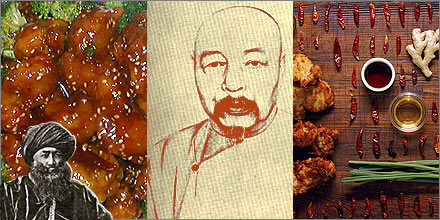
There's an article in this weekend's New York Times Magazine about the origin of General Tso's Chicken. Strangely, the article doesn't really provide the answer to this life-long question of mine, merely filling in some details on the most likely history. The article doesn't even answer the question of why exactly the dish was named after General Tso, better know in China as Zuo Zongtang (左宗棠). Still, the story involves the Nationalist flight to Taiwan and Henry Kissinger, so it's worth a read. There's even a free recipe for an "authentic" version of the dish.
So, what does General Tso's Chicken have to do with this blog besides the fact that I've eaten the dish about a thousand times in my life? Well, aside from supressing the Taiping Rebellion in 1860, Zuo was also responsible for putting an end to Yakub Beg's state of Kashgaria, incorporating the "new territory" of Xinjiang into the Qing empire in 1884. Yakub Beg, as it turns out, died under mysterious circumstances here in Korla in 1877. And that's enough of a connection for me!
You can read the article and the recipe for General Tso's Chicken below.
Food: The Way We Eat
Hunan Resources
By FUCHSIA DUNLOP
The New York Times Magazine
Published: February 4, 2007
General Tso’s (or Zuo’s)chicken is the most famous Hunanese dish in the world. A delectable concoction of lightly battered chicken in a chili-laced sweet-sour sauce, it appears on restaurant menus across the globe, but especially in the Eastern United States, where it seems to have become the epitome of Hunanese cuisine. Despite its international reputation, however, the dish is virtually unknown in the Chinese province of Hunan itself. When I went to live there four years ago, I scoured restaurant menus for it in vain, and no one I met had ever heard of it. And as I deepened my understanding of Hunanese food, I began to realize that General Tso’s chicken was somewhat alien to the local palate because Hunanese people have little interest in dishes that combine sweet and savory tastes. So how on earth did this strange, foreign concoction come to be recognized abroad as the culinary classic of Hunan?
General Tso’s chicken is named for Tso Tsung-t’ang (now usually transliterated as Zuo Zongtang), a formidable 19th-century general who is said to have enjoyed eating it. The Hunanese have a strong military tradition, and Tso is one of their best-known historical figures. But although many Chinese dishes are named after famous personages, there is no record of any dish named after Tso.
The real roots of the recipe lie in the chaotic aftermath of the Chinese civil war, when the leadership of the defeated Nationalist Party fled to the island of Taiwan. They took with them many talented people, including a number of notable chefs, and foremost among them was Peng Chang-kuei. Born in 1919 into a poverty-stricken household in the Hunanese capital, Changsha, Peng was the apprentice to Cao Jingchen, one of the most outstanding cooks of his generation. By the end of World War II, Peng was in charge of Nationalist government banquets, and when the party met its humiliating defeat at the hands of Mao Zedong’s Communists in 1949, he fled with them to Taiwan. There, he continued to cater for official functions, inventing many new dishes.
When I met Peng Chang-kuei, a tall, dignified man in his 80s, during a visit to Taipei in 2004, he could no longer remember exactly when he first cooked General Tso’s chicken, although he says it was sometime in the 1950s. “Originally the flavors of the dish were typically Hunanese — heavy, sour, hot and salty,” he said.
In 1973, Peng went to New York, where he opened his first eponymous restaurant on 44th Street. At that time, Hunanese food was unknown in the United States, and it wasn’t until his cooking attracted the attention of officials at the nearby United Nations, and especially of the American secretary of state, Henry Kissinger, that he began to make his reputation. “Kissinger visited us every time he was in New York,” Peng said, “and we became great friends. It was he who brought Hunanese food to public notice.” In his office in Taipei, Peng still displays a photograph of Kissinger and himself raising wineglasses at the restaurant.
Faced with new circumstances and new customers, Peng invented dishes and adapted old ones. “The original General Tso’s chicken was Hunanese in taste and made without sugar,” he said. “But when I began cooking for non-Hunanese people in the United States, I altered the recipe.” (Though others have since laid claim to it.) In the late 1980s, having made his fortune, he sold out and returned to Taipei. His New York venture was to have enormous impact on the cooking of the Chinese diaspora. Not only General Tso’s chicken but also other dishes that he invented have been widely imitated, and his apprentices have helped to disseminate his style of cooking.
The final twist in the tale is that General Tso’s chicken is now being adopted as a “traditional” dish by some influential chefs and food writers in Hunan. In 1990, Peng returned to Changsha, where he opened a restaurant that included the creation on its menu. The restaurant did not last long, and the dish was never popular (“too sweet,” one local chef told me), but some leading figures in the culinary establishment learned how to make it. And when they began to travel abroad to give cooking demonstrations, it seems quite likely that their overseas audiences would have expected them to produce that famous “Hunanese” recipe. Perhaps it would have seemed senseless to refuse to acknowledge a dish upon which the international reputation of Hunanese cuisine was largely based. Maybe it would have been embarrassing to admit that the dish was a product of the exiled Nationalist society of Taiwan. Whatever their motivations, they began to include General Tso’s chicken in publications about Hunanese cooking, especially those aimed at a Taiwanese readership.
But even if General Tso’s chicken is an invented tradition, it has to be seen as a part of the story of Hunanese cuisine. After all, it embodies a narrative of the old Chinese apprentice system and the golden age of Hunanese cookery, the tragedy of civil war and exile, the struggle of the Chinese diaspora to adapt to American society and in the end the opening up of China and the re-establishment of links between Taiwan and the mainland.
And because the dish has, through the vagaries of history, become known as the Hunanese dish par excellence, how could I even think of omitting it from my book on recipes from Hunan Province? So please cook it and savor it and dream as you do so of the Hunanese past and the invention of new mythologies in the cultural melting pots of the modern world.
General Tso’s Chicken
(In this Taiwanese version, the dish is hot and sour and lacks the sweetness of its Americanized counterpart.)
For the sauce:
1 tablespoon double-concentrate tomato paste, mixed with 1 tablespoon water
½ teaspoon potato flour
½ teaspoon dark soy sauce
1½ teaspoons light soy sauce
1 tablespoon rice vinegar
3 tablespoons chicken stock or water
For the chicken:
12 ounces (about 4 to 5) skinless, boneless chicken thighs
½ teaspoon dark soy sauce
2 teaspoons light soy sauce
1 egg yolk
2 tablespoons potato flour
1 quart peanut oil, more as needed
6 to 10 dried red chilies
2 teaspoons finely chopped ginger
2 teaspoons minced garlic
2 teaspoons sesame oil
Scallions, thinly sliced, for garnish.
1. Make the sauce by combining all the ingredients in a small bowl. Set aside.
2. To prepare the chicken, unfold the chicken thighs and lay them on a cutting board. Remove as much of the sinew as possible. (If some parts are very thick, cut them in half horizontally.) Slice a few shallow crosshatches into the meat. Cut each thigh into roughly ¼ -inch slices and place in a large bowl. Add the soy sauces and egg yolk and mix well. Stir in the potato flour and 2 teaspoons peanut oil and set aside. Using scissors, snip the chilies into ¾ -inch pieces, discarding the seeds. Set aside.
3. Pour 3½ cups peanut oil into a large wok, or enough oil to rise 1½ inches from the bottom. Set over high heat until the oil reaches 350 to 400 degrees. Add half the chicken and fry until crisp and deep gold, 3 to 4 minutes. Using a slotted spoon, transfer the chicken to a plate. Repeat with the second batch. Pour the oil into a heatproof container and wipe the wok clean.
4. Place the wok over high heat. Add 2 tablespoons peanut oil. When hot, add the chilies and stir-fry for a few seconds, until they just start to change color. Add the ginger and garlic and stir-fry for a few seconds longer, until fragrant. Add the sauce, stirring as it thickens. Return the chicken to the wok and stir vigorously to coat. Remove from the heat, stir in the sesame oil and top with scallions. Serve with rice. Serves 2 to 3. Adapted from “The Revolutionary Chinese Cookbook,” by Fuchsia Dunlop.
Fuchsia Dunlop writes for Gourmet and Saveur. Her “Revolutionary Chinese Cookbook” (W. W. Norton), from which this is adapted, will be published later this month.

posted February 05, 2007 at 12:51 AM unofficial Xinjiang time | HaoHao This!
Comments
Has anyone every told you you look like General Tso?
The comment above was posted by ben at February 6, 2007 03:33 AM unofficial Xinjiang time.
I can see the resemblance. I forgot to mention above that General Tso's Chicken will always remind me of the old apartment on 207th Street. Inwood forever baby!
The comment above was posted by michael at February 6, 2007 11:34 PM unofficial Xinjiang time.
I think it says General Tso was served and enjoyed the dish. Maybe back then it came with a heap of pickled jalepenos.
The comment above was posted by cathy at February 7, 2007 12:08 AM unofficial Xinjiang time.
Peaceful demonstration!? Hehe... My IQ is above 20.
The comment above was posted by idonno at February 7, 2007 01:39 AM unofficial Xinjiang time.
The comment above was posted by 胶粘剂 at May 27, 2008 05:11 PM unofficial Xinjiang time.
Thanks so much for this! This is exactly what I was looking for
mirc mırc mırç mirç mirc indir mirc yükle mirc yukle türkçe mirc mirc indir mirc islami sohbet kelebek kelebek script kelebek sohbet kelebek mirc chat çet cet çet odaları sohbet kanalları sohbet odaları kameralı sohbet kameralı chat sohbet eğlence
mirc sohbet odaları sevgili arkadaş arkadaş bul arkaraş ara oto araba şarkı sözleri astroloji ikinci el telefon gazete gazeteler günlük gazeteler marifetname bedava domain ücretsiz domain benimurl parça kontör parça kontör radyo dinle bedava blog ücretsiz blog
The comment above was posted by InsafsIz at October 19, 2008 07:21 PM unofficial Xinjiang time.
كتابي
شات بنات شات بنات
شات بنات شات بنات سعودي
شات بنات شات سعودي
منتديات منتديات
خوخ خوخ
العاب العاب
دردشة كتابية دردشة كتابية
دردشه دردشه
دردشه كتابية دردشه كتابية
دردشة دردشة
دردشة بنات دردشة بنات
يوتيوب يوتيوب
التاريخ
الاسلامي التاريخ الاسلامي
مسجات مسجات
القران الكريم القران الكريم
الطب النبوي الطب النبوي
يوتيوب يوتيوب
أنباء انباء
سياسة السياسة
اقتصاد الاقتصادية
اخبار الرياض الرياض
MsN Plus MsN Plus
صور صور
توبيكات توبيكات
توبيكات
جديده توبيكات جديده
توبيكات
توبيكات
توبيكات
حب توبيكات حب
توبيكات حب وغرام توبيكات حب
وغرام
توبيكات ملونه توبيكات ملونه
توبيكات ملونة توبيكات ملونة
توبيك ملون توبيك
ملون
توبيك توبيك
الطب النبوي
الطب النبوي
الطب البديل الطب البديل
الاعشاب الاعشاب
التداوي بالاعشاب التداوي بالاعشاب
الطب الطب
فوتوشوب فوتوشوب
دروس دروس
فلاش فلاش
صور صور
الترحيب بالاعضاء الترحيب بالاعضاء
مرحبا مرحبا
عام عام
المنتدى العام المنتدى العام
جدل جدل
النقاش والمحاورة النقاش والمحاورة
شاعر المليون
شاعر المليون
شعر شعر
قصائد قصائد
قصائد حب قصائد حب
خواطر خواطر
خواطر
حب خواطر حب
نثر نثر
قصص قصص
قصص
واقعية قصص واقعية
روايات روايات
حكايات حكايات
حكايات الف ليلة وليلة حكايات الف
ليلة وليلة
ضحك ضحك
فرفشة فرفشة
وناسة وناسة
اخر موضة اخر موضة
اكسسوارات اكسسوارات
اكسسوارات 2009 اكسسوارات 2009
موضة موضة
وصفات طبخ
وصفات طبخ
حلويات حلويات
معجنات معجنات
مطبخ مطبخ
مكياج مكياج
مكياج 2008 مكياج 2008
تسريحات تسريحات
قصات الشعر قصات الشعر
برامج برامج
برامج AntiVirus برامج AntiVirus
design design
AntiVirusAntiVirus
photoshop photoshop
youtube youtube
d,jd,f d,jd,f
صور متحركة متحركه
صور طبيعيه صور طبيعية
صور متحركه صور متحركة
صور كاريكاتير صور كاريكاتير
صور فواكة صور فواكة
شباب حلوين احلى شباب
صور شباب صور احلى شباب
صور اطفال صور اطفال
رائعة رائعة
صور رائعة صور رائعه
صورصور
روعهروعة
صور روعه صور روعه
صور فنانات
صور فنانات عربيات
توبيكات راشد الماجد
راشد الماجد 2009
توبيكات بلا حب راشد
توبيكات راشد
نكات راشد الماجد
نكات راشد الماجد 2009
نكات للماسنجر
نكات للماسنجر روعة
نكات روعة
نكات للماسنجر ملونة
احلى توبيكات ماسنجر عن
الاختبارات 2009
توبيكات 2009
توبيكات عن الاختبارات
نكات الاختبارات
نكات
للمسن
جديده
نكات للمسن جديده
اروع
توبكات
ماسنجر
2009
ماسنجر 2009
توبكات حب
ملونه
اروع توبكات حب ملونه
نكات
ماسنجر
ملونه جديده
نكات ماسنجر ملونه جديده
صور سيارات جديدة
صور سيارات 2009
صور سيارات
صور حب صور
حب
صور بنات صور
بنات
صور رومانسيه صور رومانسيه
صور
ماسنجر صور ماسنجر
صور
جديدة صور جديدة
صور جميلة وحساسة صور
جميلة
ابتسامات ماسنجر ابتسامات
مضحكة صور مضحكة
صور غريبه صور غريبة
صور للاطفال صور للاطفال
المرور المرور
The comment above was posted by شات at March 12, 2009 08:42 AM unofficial Xinjiang time.
thanks verry mucks good nice..sohbet - chat - sevgi - sevgi - kelebek - kelebek indir - mirc indir - msn indir - spor haberleri - youtube - türkçemirc - türkçe mirc - mirc sohbet - okey - çift okey
The comment above was posted by sohbet at January 12, 2010 06:03 PM unofficial Xinjiang time.
The comment above was posted by teayneverdie at January 30, 2010 12:59 AM unofficial Xinjiang time.
دردشة سعودية,
دردشه خليجيه,
دردشة عربية,
دردشة بحرينية,
دردشة كويتية,
دردشة عراقية,
دردشة يمنية,
دردشة قطرية,
دردشة اماراتية,
دردشة عمانية,
دردشة شامية,
دردشة اردنية,
دردشة لبنانية,
دردشة سورية,
دردشة فلسطينية,
دردشة مصرية,
دردشة مغربية,
دردشة سودانية,
دردشة ليبية,
دردشة جزائرية,
دردشة زهرة الخفجي.
شات الاميرة نوف.
دردشة عديم الشوق.
دردشة غناتي.
شات البحرين.
شات بحريني ون.
دردشة تعب روحي.
شات عمان.
شات دمعة العين.
شات هلا.
شات الاماكن.
دردشة الرباط,
دردشة سنفورة,
دردشة حبن,
دردشة برق,
دردشة الخليج,,
دردشة فلة,
دردشة الحب,
دردشة تعب قلبي,
دردشة مون لايت,
دردشة الامراء,
دردشة الرياض,
دردشة حبي,
دردشة قلبي,
شات.
دردشة.
دردشة صوتية.
شات صوتي.
تحميل روابط.
مركز تحميل.
مركز تحميل صور.
العاب بنات.
The comment above was posted by منتديات at April 5, 2010 04:26 AM unofficial Xinjiang time.
General Tso’s chicken is named for Tso Tsung-t’ang (now usually transliterated as Zuo Zongtang), a formidable 19th-century general who is said to have enjoyed eating it. The Hunanese have a strong military tradition, and Tso is one of their best-known historical figures. But although many Chinese dishes are named after famous personages, there is no record of any dish named after Tso.
The comment above was posted by Miami at April 6, 2010 08:42 PM unofficial Xinjiang time.
دردشة سعودية,
دردشه خليجيه,
دردشة عربية,
دردشة بحرينية,
دردشة كويتية,
دردشة عراقية,
دردشة يمنية,
دردشة قطرية,
دردشة اماراتية,
دردشة عمانية,
دردشة شامية,
دردشة اردنية,
دردشة لبنانية,
دردشة سورية,
دردشة فلسطينية,
دردشة مصرية,
دردشة مغربية,
دردشة سودانية,
دردشة ليبية,
دردشة جزائرية,
دردشة زهرة الخفجي.
شات الاميرة نوف.
دردشة عديم الشوق.
دردشة غناتي.
شات البحرين.
شات بحريني ون.
دردشة تعب روحي.
شات عمان.
شات دمعة العين.
شات هلا.
شات الاماكن.
دردشة الرباط,
دردشة سنفورة,
دردشة حبن,
دردشة برق,
دردشة الخليج,,
دردشة فلة,
دردشة الحب,
دردشة تعب قلبي,
دردشة مون لايت,
دردشة الامراء,
دردشة الرياض,
دردشة حبي,
دردشة قلبي,
شات.
دردشة.
دردشة صوتية.
شات صوتي.
تحميل روابط.
مركز تحميل.
مركز تحميل صور.
العاب بنات.
The comment above was posted by منتديات at April 7, 2010 01:33 AM unofficial Xinjiang time.
Thanks for sharing such a great story.
Advertising
Art and Entertainment
Automotive
Business
Careers
Computers
Education
Finance
Food and Beverage
Health
Hobbies
Home and Family
Home Improvement
Internet
Law
Marketing
News and Society
Real Estate
Relationships
Self Improvement
Shopping
Spiritually
Sports and Fitness
Technology
Travel
Writing
The comment above was posted by Article at April 12, 2010 03:47 PM unofficial Xinjiang time.
Over the last couple of weeks,Kalil-Elyos,Aion Epic,Nerthus-Elyos, Aion has heard your feedback that the experience curve can be steep in certain levels of Aion and aion has been evaluating how we want to address this issue to provide for smoother character progression. As part of that process,Aion Weapon, we are implementing a temporary enhancement so that you can feel immediate benefits that we are really excited to be rolling out this weekend.
Aion is adding a few permanent benefits with this week’s patch. Soul Healing will be less expensive for characters of all aion powerleveling levels,Zikel-Elyos,Buy Aion CD Key, and we’re increasing the experience bonus that Energy of Repose bestows for levels 20–44. So you will not waste much aion kinah.
The comment above was posted by aion kinah at April 13, 2010 11:37 AM unofficial Xinjiang time.
Abercrombie And Fitch Abercrombie And Fitch Abercrombie Abercrombie Abercrombie Clothing Abercrombie Clothing Abercrombie UK Abercrombie UK Abercrombie London Abercrombie London Abercrombie Fitch Abercrombie Fitch Abercrombie Outlet Abercrombie OutletAbercrombie Jeans Abercrombie Jeans Abercrombie Pants Abercrombie Pants Abercrombie Tees Abercrombie Tees Abercrombie Shorts Abercrombie Shorts Abercrombie Sweater Abercrombie Sweater Abercrombie Outerwear Abercrombie Outerwear Abercrombie Hoodies Abercrombie HoodiesAbercrombie Polo Abercrombie Polo Abercrombie Shirts Abercrombie Shirts abercrombie henleys crew abercrombie henleys crew hollister hollisterhollister uk hollister uk abercrombie mens abercrombie mens abercrombie womens abercrombie womens Ruehl 925 Ruehl 925銀座アバクロ" 銀座アバクロアバクロ銀座" アバクロ銀座アバクロ通販" アバクロ通販アバクロンビー" アバクロンビーアバクロンビー メンズ" アバクロンビー メンズホリスター" ホリスターアバクロ日本" アバクロ日本アバクロンビーフィッチ" アバクロンビーフィッチアバクロ激安" アバクロ激安アバクロンビー レディース" アバクロンビー レディースsheepskin boots sheepskin bootssheepskin ugg boots sheepskin ugg bootsugg boots ugg bootsuggs uggsugg australia ugg australiaugg sale ugg saleugg boots sale ugg boots salecheap ugg boots cheap ugg bootswinter boots winter bootsdiscount ugg boots discount ugg bootscheap uggs cheap uggsuggs on sale uggs on saleaustralia ugg boots australia ugg bootsugg boots 2010 ugg boots 2010ugg boots womens ugg boots womenswomens uggs womens uggswomens ugg boots womens ugg bootsbailey button ugg boots bailey button ugg bootsclassic tall ugg boots classic tall ugg bootsclassic short ugg boots classic short ugg bootsclassic cardy ugg boots classic cardy ugg bootsclassic mini ugg boots classic mini ugg bootsmetallic ugg boots metallic ugg bootsnightfall ugg boots nightfall ugg bootssundance ii ugg boots sundance ii ugg bootsultra tall ugg boots ultra tall ugg bootsultra short ugg boots ultra short ugg bootswedding gowns guide wedding gowns guidewedding dress world wedding dress worldwedding dress on sale wedding dress on salecrazy uggs crazy uggschloe outlet chloe outletchloe on sale chloe on saletiffany world tiffany worldcheap ugg boots cheap ugg bootsed hardy shop ed hardy shoptiffany sale tiffany saleugg biz ugg bizugg fan ugg fanugg india ugg indiafree shipping uggs free shipping uggsugg store ugg storetiffany cousa tiffany cousaaustro ugg austro uggugg store ugg storehigh quality replica high quality replicachristian shop christian shopugg austro ugg austro
The comment above was posted by ugg boots at April 14, 2010 01:38 PM unofficial Xinjiang time.
General Tso’s chicken is named for Tso Tsung-t’ang (now usually transliterated as Zuo Zongtang), a formidable 19th-century general who is said to have enjoyed eating it. The Hunanese have a strong military tradition, and Tso is one of their best-known historical figures. But although many Chinese dishes are named after famous personages, there is no record of any dish named after Tso.
The comment above was posted by New York at April 15, 2010 10:30 PM unofficial Xinjiang time.
thank you read your article makes me very happy and I wish success really very beautiful
chat siteleri | mirc indir | mirc
I know my little chat brother has set up a photo booth at
yonja birthday parties and gives away the photos
as party favors.You can have people make a RFL banner to
almanya sohbet use as a backdrop.Have a digital camera,
fransa sohbet a few memory cards, and a photo printer on site. You can easily charge islami sohbet
$5 a photo. That will be dini sohbet
enough to cover your cost for the ink and still make a significant profit to give to ACS chat siteleri |
mynet chat | yonja | forum siteleri | saglik bilgisi | güncel haberler | guzel sozler | mirc
sohbet odalari | çet | sohbet
netlog çet |
| Forum | forum siteleri | film izle | sinema izle | online film izle |
bedava film izle |indirmeden film izle |
KurSun
| sohbet |
KuRsuN
Çet
Chat
chat
Trsohbet
çet
chat odalari| ThanS You :P
çet
sohbet
sohbet
The comment above was posted by iSo at April 16, 2010 08:16 PM unofficial Xinjiang time.
- دردشة الخليج -
- شات الخليج -
- الخليج -
- شات المميزة
- دردشة -
- دردشه -
- شات -
- شات بنات -
- شات خليج العرب -
- شات الخليج العربي -
- دردشة كتابية -
- شات كتابي -
- دردشة المميزة -
- المميزة -
- شات بنات -
- دردشه الخليج -
- دردشة كتابية -
- شات كتابي -
- شات خليجي -
- دردشة سعودية -
- دردشة بحرينية -
- دردشة عراقية -
- دردشة يمنية -
- دردشة قطرية -
- دردشة اماراتية -
- دردشة سودانية -
- دردشة لبنانية -
- دردشة مغربية -
- دردشة خليجية -
- دردشة فلسطينية -
- دردشة اردنية -
- دردشة مصرية -
- شات جنسي -
- دردشة جنسية -
- شات صوتي -
- دردشة صوتية -
- شات صوتي -
- دردشة صوتية -
- مركز تحميل الاغاني -
- دليل دردشة -
- دردشة ابن اليمن -
- دردشة صوتية يمنية -
- دردشة صوتية عمانية -
- دردشة صوتية اماراتية -
- دردشة صوتية قطرية -
- دردشة صوتية بحرينية -
- دردشة صوتية كويتية -
- دردشة صوتية سعودية -
- دردشة صوتية خليجية -
- دردشة صوتية سودانية -
- دردشة صوتية مصرية -
- دردشة صوتية فلسطينية -
- دردشة صوتية سورية -
- دردشة صوتية لبنانية -
- دردشة صوتية اردنية -
- دردشة صوتية شامية -
- دردشة صوتية عربية -
- دردشة عربية -
- دردشة فور عدن -
- شات كتابي -
- دردشة شامية كتابية -
- شات سعودي -
- شات عربي -
- شات صوتي -
- شات عراقي -
- شات كويتي -
- شات بحريني -
- شات اماراتي -
- شات قطري -
- شات عماني -
- دردشة ليبيا -
- شات يمني -
- شات مصري -
- شات سوداني -
- شات اردني -
- شات سوري -
- شات فلسطيني -
- شات مغربي -
- شات لبناني -
- شات جزائري -
- شات تونسي -
- شات ليبي -
- دردشة خليجية -
- دردشة تونس -
- دردشة ليبية -
- دردشة نار الحب -
- دردشه تعب قلبي -
- دردشه بنت السعوديه -
- دردشة دلع -
- دردشة حبنا -
- دردشة دلع نجد -
- دردشة جزائرية -
- دردشة سورية -
- دردشة كويتية -
- دردشة عمانية -
- دردشة سورية -
- دردشة سعوديات -
- دردشة عربيات
- دردشة كويتيات -
- دردشة بحرينيات -
- دردشة عراقيات -
- دردشة يمنيات -
- دردشة قطريات -
- دردشة اماراتيات -
- دردشة عمانيات -
- دردشة اردنيات -
- دردشة لبنانيات -
- دردشة سوريات -
- دردشة فلسطينيات -
- دردشة مصريات -
- دردشة مغربيات -
- دردشة سودانيات -
- دردشة بنات تعز , شات بنات تعز -
- دردشة بنات المغرب , شات بنات المغرب -
- دردشة سكسية -
- شات مصراوي -
- اغاني عربي mp3 -
- طرب موقع طرب اغاني طرب اغاني mp3 -
- دردشة بنت المغرب
- دردشة بنت تعز -
- دردشة ابن اليمن , شات ابن اليمن -
- منتديات الخليج -
- المنتدى العام -
- المنتدى الاسلامي -
- اناشيد اطفال اناشيد اسلامية -
- اللغة الانجليزية - ترجمة -
- القضـايا الساخنـة والحـوار -
- آخر الأخبار والأحداث -
- الترحيب والاهداءات -
- مجلس الاعضاء -
- كرسي الاعتراف -
- همس القوافي -
- خواطر - قسم الخواطر الأدبية -
- قصص وحكم -
- الرياضة والشباب -
- صور سيارات -
- الفرفشه والضحك -
- الالعاب والمسابقات -
- صور وعجائب -
- صور انمي - افلام انمي -
- افلام ومسلسلات ومسرحيات -
- استار اكاديمي 7 -
- السياحة والسفر - مناظر طبيعية -
- الحياة الزوجية - الاسرة والطفل -
- عالم حواء - فساتين ومكياج وموضة -
- الديكور والاثاث المنزلي -
- اسـرار البنـات -
- منتدى مـائدة الخليج -
- الصحة والطب -
- بلاك بيري و ايفون -
- قسم البرامج العربية والمعربة -
- الجرافيكس والتصميم -
- ملحقات الفوتوشوب والفلاش -
- قسم تصاميم الفلاش والسويتش -
- البرامج والكمبيوتر و تبادل الخبرات -
- مشاكل وحلول القسم الـتـقـنـي -
- توبيكات ملونة - صور ماسنجر -
- مسجات - رسائل وسائط -
- مــنــتــدى تغــيير النــك نيـــم - الأســم -
- شات الخليج -
- دردشة الخليج -
- توبيكات -
- طرب -
- اغاني -
شات صوتي
شات سوري
شات سوريا
دردشة سورية
دردشة سوريه
دردشة سوريات
شامية
شات شامي
شات الشام
دردشة سوريا
دردشة شاميه
دردشة شاميات
منتديات سورية
منتدى سوريات
منتدى شامي
منتدى سوريا
منتديات الشام
منتديات شامية
The comment above was posted by دردشة الخليج at April 20, 2010 02:53 AM unofficial Xinjiang time.
The comment above was posted by Sohbet at May 12, 2010 09:11 PM unofficial Xinjiang time.
حصري
منتديات حصري
فتاوى
حكم
الاسلام
احكام
رمضان
شهر رمضان
منتدى رمضان
دروس رمضانيه
فلاشات رمضانيه
القران الكريم
تلاوه - ترتيل القران
عبدالرحمن السديس
الحديث
البدع
اناشيد
صوتيات
مرئيات اسلامية أناشيد
اناشيد اطفال
اناشيد فرقة طيور الجنة
فريق طيور الجنة
طيور الجنة
طيور الجنة mp3
منتديات اسلامية
فديو رايت شمسا
تحميل رايت شمسا
أدب وثقافة وشعر و قصص و وروايات
همس القوافي
شعر -قصائد متنوعة
أعذب القصائد
قصص- روايات
Novels
روايات
قصص طويله
قصص مشوقه
روايات طويله
خواطر حب
خواطر
خواطر فراق
خواطر عشق
قصائد صوتية
قصائد
مولات
شاعر
المليون
منتديات ترفيهية
صور x صور
صور
خلفيات -
خلفيات حاسوب
حافضات الشاشة
صور سيارات
صور سيارات 2010
صور سيارات 2011
مسابقات -
الغاز
نكت -
طرائف -
ضحك -
نكت وطرائف
يوتيوب -
موقع يوتيوب -
يوتيوب فيديو
العاب فلاش -
العاب بنات -
العاب كمبيوتر -
تحميل العاب
ألعاب طبخ
ألعاب ديكور
ألعاب قتالية
ألعاب طائرات
ألعاب كرة السلة
ألعاب بليارد
ألعاب رياضية
ألعاب ماريو
العاب ذكاء
العاب تلبيس
العاب التلبيس
ألعاب ميك اب
ألعاب باربي
ألعاب الرماية
ألعاب أكشن
ألعاب كرة قدم
ألعاب سيارات
ألعاب دبابات
ألعاب سونيك
العاب فلاش ورق
العاب أطفال
ألعاب بنات
ألعاب أزياء
غرائب
عجائب
غرائب و عجائب
غرائب العالم
الأسرة -
الطفل
العناية بالأطفال
كيف تربي ابنك
تغذية الطفل
فساتين سهرة
ازياء
اكسسوارات
ملابس
موضه
فساتين
العنايه بالشعر
الشعر
زيت
مكياج
ميك اب
اسرار البنات
وصفات لتبيض
البشرة
اكسسوارات -
مكياج عيون -
مكياج 2010
مكياج 2011
تسريحات
تطوير الذات -
تنمية القدرات -
تنمية العقل
طبخ -
اكلات -
مطبخ -
حلويات -
معجنات -
وجبات
السفره الرمضانيه
طب -
صحه -
غذاء -
الطب البديل -
اعشاب -
ريجيم
ديكور -
غرف نوم -
ديكورات -
اثاث -
غرف -
مطابخ
برامج كمبيوتر
برنامج
برامج
منتدي برامج نت
منتديات برامج نت
برامج نت
برامج حماية
برامج ماسنجر -
ماسنجر
توبيكات
توبكات ملونه للماسنجر
اخبار التكنولوجيا -
أخبار التقنية
منتدى تطوير المواقع والمنتديات
منتدى تطوير المواقع
منتدى تطوير المنتديات
منتديات كورة -
اخبار الرياضة
منتدى الكرة العربية
منتدى كووورة القدم الإنجليزية
منتدى كووورة القدم الإسبانية
منتدى كووورة القدم الإيطالية
منتدى كووورة القدم العالمية
منتدى الرياضه العالميه
منتديات كووورة
منتدى كووورة
كووورة
كووورة العربية
كووورة الإنجليزية
كووورة الإسبانية
كووورة الإيطالية
كووورة العالمية
المصارعة الحرة -
مصارعة حرة
المصارعة
برامج جوال -
برنامج للجوال
العاب الجوال -
العاب جوال
برامج جوال
برامج نوكيا
العاب جوال
العاب نوكيا
ثيمات جوال
ثيمات نوكيا
مسجات الجوال
نغمات الجوال
رنة الجوال
Pocket Pc برامج
الكومينيكوتر
برامج الكومينيكوتر
Communicator برامج
Communicator برامج Sony Ericsson برامج
برامج كمبيوتر بسي
برامج Pocket Pc
Pocket Pc
كمبيوتر بسي
برامج الايفون
iphone برامج
برامج البود
ipod برامج
الأيبود برامج
الايفون
iphone
الأيبود
iPod
--------------
توبيكات حزينه -
توبيكات حزن
توبيكات رومانسية -
توبيكات حب
توبيكات شعرية -
توبيكات شعر
توبيكات غرور -
توبيكات الغرور
توبيكات خيانه -
توبيكات الخيانة
توبيكات كبرياء -
توبيكات الكبرياء
توبيكات عتاب -
توبيكات العتاب
توبيكات اغاني -
توبيكات الاغاني
توبيكات أسماء -
توبيكات الأسماء
توبيكات انجليزيه -
english topics
توبيكات مضحكه -
توبيكات ضحك
توبيكات العيد -
توبيكات عيد
توبيكات رياضية -
توبيكات الرياضة
توبيكات إسلامية -
توبيكات الإسلامية
توبيكات منوعة -
توبيكات عامة
توبيكات معربه -
توبيكات عربية
توبيكات رمضانية -
توبيكات رمضان
توبيكات 2010
توبيكات حصري
توبيك
توبيكات
نكات
نكات ملونه
توبيكات ملونه
توبيكات ماسنجر
توبيكات ملونة
توبيكات للماسنجر
توبيكات جديده
توبيكات ملونه للماسنجر
j;fdmhj
توبيكات
------------
مواقع اسلامية
مدونات
مواقع شخصية
ادب و فن
العاب
علوم
انترنت
صحة
اسرة و مجتمع
سفر و سياحة
اخبار و اعلام
شركات و هيئات
تعليم
سيارات و مركبات
دليل منوعات
تسوق و شراء
حاسب الي
رياضة
حكومات ومنظمات
مال و استثمار
----------------------------------------------------------
انشودة زين 2010
انشودة زين الجديده
رايت شمسا
اغنية زين mp3
انشودة رايت شمسا
اغنية زين 2010
صور سيارات 2010 - صور سيارات
اغلى 10 سيارات في العالم 2010 - أغلى 10 سيارات في العالم 2010
اغاني طيور الجنة
توبيك ياحلم وين المشكله لو تحققت
توبيكات خيانه
توبيكات منى امرشا يايمه حبيته
توبيكات غرور
توبيكاات
توبيكات المغرب
توبيكات حزينه حصري
توبيكات نيوتن
توبيكات صباح الخير
توبيكات نساك الموت
توبيكات حصري 2010
اكلات منال العالم
مطبخ منال العالم
صورة.فرعون
ة سوزان تميم
مقال
hotspot shield 1.37
hotspot shield
همر 2010
مصارعة جون سينا
وصفات منال العالم
خواطر فراق
توبيكات رومانسيه جدا
توبيك ودي اموت اليوم واعيش باكر
توبيكات انجلش
توبيك استاهل الموت
ايجى اب
منتدى شموع الود
مترجم قوقل (google) , ترجمة فورية مجانية , ترجمة نصوص , ترجمة مواقع , google translat
ايجي اب
توبيكات احبك
برنامج استرجاع الملفات المحذوفة
صور فرعون
اكلات مطبخ منال العالم
استضافة مجانية
ممتازين ليبيا
دليل المواقع
التربية التكنولوجية
افلام عربى
شموع الود
دليل مواقع
كوم للتوظيف
ممتازين
المجربي
شبكه المخلافي الثقافي
مقهى العيال
دردشة سعودي كام الصوتية
www.ksa4cam.com
منتدى خبله
شباب ع الطاير
منتديات كيوت تايم
ksa4cam
سعودي كام
كام
سعودي كم
سعودي 4 كام
شات صوتي كام
شات صوتي كام
شات سعودي كام
دردشه سعودي كام
دردشة سعودي كام
توبيكات عتاب
توبيك ودي اموت اليوم واعيش
ياحلم وين المشكله لو تحققت
توبيكات عامه ملونه
توبيكات حب
احيان تلقى حاجتك داخل الصمت
توبيك ياحلم
توبيكات احيان تلقى حاجتك داخل الصمت
توبيكات ياحلم وين المشكله لو تحققت
,ترجمه
الترجمة
ترجمه مجانية
ترجمة فورية
ترجمة جوجل
مترجم قوقل
كيف تجعل شخص يحبك
كيف تجعل البنت تحبك
كيف تجعل شخص يحبك بجنون
حصريا مكتبة علم النفس والاجتماع والصحة النفسية وتطوير الذات الجزء الاول
الهاشمي وأعشاب الطبيعية
كيوت تايم
منتديات خبله
منتديات المخلافي الثقافية
بعثرة حكي
منتديات ممتازين ليبيا
دردشه طرب كول الصوتيه
طرب كول الصوتيه
الشيخة السوسية المغربية ام بلال
احساس العرب
ست الحسن
الشيخة ام ياسين
توبيك يطعنك شخص
توبيكات حصريه
توبيك اذا ناوي على الروحه
توبيكات انوثه
توبيكات رومانسيه حيل
توبيكات عتاب ملونه
توبيكات موني
من قال عنك قمر كذاب كذاب
ياحلم وين المشكله لو تحققت توبيك
توبيك احلى بنوته
توبيك مغربي
توبيك محتاج لك
توبيك صباح الخير
صور قطط
اناشيد طيور الجنة كاملة
برنامج لفتح المواقع المحجوبة
برنامج فتح المواقع المحجوبة hotspot shield
صور سيارات هم
منال العالم مطبخ
المصارع جون سينا
كمال الاجسام
توبيك احبك
قفطان مغربي 2009
توبيكات تكب
نوكيا n73 - اكبر مكتبه ثيمات لجهاز نوكيا
مسجات حب 2010
اغاني طيور الجنة
ة سوزان تميم
مصارعة جون سينا
خلفيات سطح المكتب
مصارعة حرة
wolfteam
ورود
ماسنجر 2009
صور سيارات
عالم الحيوان فيديو
خلفيات متحركة
ورد
اطفال حلوين
اندرتيكر
فرعون
خريطة المغرب
غرائب وعجائب
hotspot shield 1.37
توبيكات حزينه ملونه
منتديات كورة
صور كمال اجسام
hss-1.34-install-anchorfree-76-conduit
صور ورد
كامري
همر
همر
همر
همر
مطبخ منال العالم بالصور
مطبخ منال العالم بالصور
مطبخ منال العالم بالصور
مطبخ منال العالم بالصور
مطبخ منال العالم بالصور
سيارات تويوتا
media player 12
كونان يوتيوب
كونان يوتيوب
صور رومانسية
صور رومانسية
كمال اجسام
كمال اجسام
اغاني طيور الجنة كاملة
اغاني طيور الجنة كاملة
اغاني طيور الجنة كاملة
اغاني طيور الجنة كاملة
توبيك احبك
توبيك احبك
توبيك احبك
توبيك احبك
توبيك احبك
توبيك احبك
استضافة مجانية
استضافة مجانية
استضافة مجانية
استضافة مجانية
استضافة مجانية
سيارات 2010
سيارات 2010
سيارات 2010
سيارات 2010
سيارات 2010
سيارات 2010
برنامج استرجاع الملفات المحذوفة
برنامج استرجاع الملفات المحذوفة
برنامج hotspot shield
برنامج hotspot shield
برنامج hotspot shield
برنامج hotspot shield
برنامج hotspot shield
صور اطفال حلوين
احلى صور
احلى صور
صورة فرعون
كمال اجسام 2009
خواطر عشق
خواطر عشق
خواطر عشق
برنامج فتح المواقع المحجوبة hotspot shield
برنامج فتح المواقع المحجوبة hotspot shield
برنامج فتح المواقع المحجوبة hotspot shield
برنامج فتح المواقع المحجوبة hotspot shield
برنامج فتح المواقع المحجوبة hotspot shield
سيارات غريبة
سيارات غريبة
سيارات غريبة
سيارات غريبة
اناشيد طيور الجنة
اناشيد طيور الجنة
ترجمة الافلام
لكزس
اكلات مطبخ منال العالم
اكلات مطبخ منال العالم
اكلات مطبخ منال العالم
اكلات مطبخ منال العالم
اكلات مطبخ منال العالم
توبيكات احبك
توبيكات احبك
توبيكات احبك
توبيكات احبك
توبيكات احبك
توبيكات احبك
توبيكات احبك
صور اسلامية
احلى الصور
احلى الصور
نكات حب
توبيكات اطفال
توبيكات اطفال
توبيكات اطفال
توبيكات اطفال
توبيكات اطفال
توبيكات اطفال
اغانى طيور الجنة
اغانى طيور الجنة
صورفرعون
صورفرعون
صور
صور
صور
صور
صور
قطط
قطط
العاب طبخ
العاب طبخ
العاب طبخ
يوتيوب فيديو
يوتيوب فيديو
يوتيوب فيديو
يوتيوب فيديو
يوتيوب فيديو
يوتيوب فيديو
برنامج لفتح المواقع المحجوبة
برنامج لفتح المواقع المحجوبة
برنامج لفتح المواقع المحجوبة
برنامج لفتح المواقع المحجوبة
برنامج لفتح المواقع المحجوبة
برنامج لفتح المواقع المحجوبة
اغاني طيور الجنة الجديدة
اناشيد طيور الجنة كاملة
اناشيد طيور الجنة كاملة
اناشيد طيور الجنة كاملة
اناشيد طيور الجنة كاملة
اناشيد طيور الجنة كاملة
اناشيد طيور الجنة كاملة
اناشيد طيور الجنة كاملة
اناشيد طيور الجنة كاملة
اناشيد طيور الجنة كاملة
اناشيد طيور الجنة كاملة
اناشيد طيور الجنة كاملة
صور سيارات همر
صور سيارات همر
صور سيارات همر
صور سيارات همر
صور سيارات همر
صور سيارات همر
صور سيارات همر
صور سيارات همر
hotspotshield
hotspotshield
hotspotshield
hotspotshield
hotspotshield
المصارع جون سينا
المصارع جون سينا
المصارع جون سينا
المصارع جون سينا
المصارع جون سينا
2010 سيارات
2010 سيارات
2010 سيارات
2010 سيارات
2010 سيارات
2010 سيارات
2010 سيارات
توبيكات حب ملونه
توبيكات حزن
نكات ملونه
نكات ملونه
نكات ملونه
اليوتيوب
اليوتيوب
اليوتيوب
صور اطفال
صور اطفال
توبيكات انجليزيه مترجمه
يوتيوب كونان
يوتيوب كونان
يوتيوب كونان
يوتيوب كونان
صور رومانسيه
صور رومانسيه
جون سينا المصارع
جون سينا المصارع
جون سينا المصارع
جون سينا المصارع
ترجمة قوقل الفوريه
مترجم قوقل
ترجمة قوقل للنصوص
ترجمه قوقل فوريه
ترجمة قوقل
الترجمه من قوقل
مترجم قوقل للنصوص
ترجمة قوقل الفورية
قوقل ترجمة فورية
مترجم قوقل الفوري
ترجمة فورية للنصوص
قوقل لترجمة النصوص
موقع ترجمة فورية
ترجمة فورية قوقل
ترجمة فورية قوقل
موقع قوقل للترجمة الفورية
شريط ترجمة قوقل
ترجم قوقل
مترجم النصوص
قوقل ترجمة
قوقل للترجمة
ترجمه نصوص قوقل
موقع قوقل لترجمة النصوص
الترجمة الفورية من قوقل
ترجمه قوقل الفوريه
قوقل ترجم
ترجمة مواقع
المترجم قوقل
برنامج ترجمة
موقع ترجمة فورى
قوقل ترجمة نصوص
ترجمة جوجل الفورية للنصوص
ترجمة
ترجمة جوجل للنصوص الفورية
مترجم القوقل
ترجم قوقل الفوري
ترجمة نصوص فورية
قوقل للترجمة الفورية
ترجمة نصوص فورية
قوقل للترجمة الفورية
مترجم نصوص قوقل
قوقل الترجمة الفورية
قوقل مترجم
شريط الترجمة الفورية
مواقع ترجمة فورية
قوقل الترجمه
ترجمة النصوص قوقل
translate english to filipino
msn 2010
2010 , الماسنجر , العربية , الفرنسية , النجلزية , برامج الشات , برنامج , برنامج الماسنجر , برنامج المحداتة , برنامج الدردشة , hotmail , msn 2010 , Windows Live Messenger , wlv 2010
2010 , الماسنجر , العربية , الفرنسية , النجلزية , برامج الشات , برنامج , برنامج الماسنجر , برنامج المحداتة , برنامج الدردشة , hotmail , msn 2010 , windows live messenger , wlv 2010
Windows Live Messenger 2010 arabic windows live messenger 2010 english windows live messenger 2010 francais
Windows Live Messenger 2010 عربي
ترجمه فوريه لجميع اللغات
ترجمة فورية
لترجمه
مترجم فوري للنصوص
متى , الاستخارة , اين , دعاء , دعاء الاستخارة , صلاة , صلاة الاستخارة , صلاة دعاء الاستخارة , طريقة , كيف , كيفة
دردشة
غلا
دردشة غلا
شات غلا
غلا الكون
منتديات غلا الكون
منتدى غلا الكون
غلا الكون الصوتيه
دردشة غلا الكون
شات غلا الكون
شات غلا الكون الصوتي
دردشة غلا الكون الصوتية
دليل دردشات غلا الكون
دليل دردشات
شات الغلا
الود
الغلا
شات الود
شات غلا السعوديه
دردشة غلا السعوديه
شات سعودي
شات الرياض
شات الخليج
دردشة الود
شات تعب قلبي
دردشة تعب قلبي
تعب قلبي
شعبي كوم
دردشة الخليج
عالم الرومانسيه
نت لوق
The comment above was posted by حصري at May 17, 2010 03:31 PM unofficial Xinjiang time.
المنتدى العام
-
المنتدى الاسلامي -
منتدى الضيافه والاهداءات
-
منتدى الكمبيوتر والانترنت -
منتدى العلوم و التكنولوجيا
- عالم
حواء -
الديكور والاثاث
-
منتدى المطبخ والسفره الخليجيه والعربيه -
منتدى الطب العام
-
منتدى الجوال والاتصالات -
منتدى الماسنجر
-
منتدى التصاميم والجرافيكس -
منتدى الرياضه العربيه والعالميه
-
منتدى الألعاب و الألغاز -
عالم آدم
- منتدى الصور والكاريكاتير
-
الخيمة الرمضانية -
المنتدى الأدبي
-
مشاكل الأعضاء وحلولها -
منتدى القصص والروايات
-
منتدى السياحة والسفر -
منتدى الصوتيات و المرئيات
-
منتدى النكت و الضحك و الفرفشة -
منتدى اللغات Languages forum
- قسم
المسابقات -
منتدى البرامج المشروحة
-
منتدى تجارب الأعضاء -
منتدى تجارب المراقبين
-
اخبار اليوم 1431 - اخبار الساعة 2010 - اخبار الصحف 1431- اخبار محلية - اخبار
عالمية - اخبار الطقس -
عبث الكاميرا
-
الركن الهادئ -
عالم الحياة الزوجية
-
التطوير الذاتي -
عالم الفضائيات
-
يوميات الأعضاء في رمضان -
المنتدى التعليمي
- عذب
الكلام -
هامش زوار الركن الهادي
- قسم
الأخبار اليومية -
قسم الأهداف
- قسم
دروس الفوتوشوب -
المرحلة الابتدائية
-
المرحلة المتوسطة -
المرحلة الثانوية
- كرسي
الإعتراف -
منتدى الانمي
-
وظائف 2010, وظائف رجاليه 1431, وظائف نسائيه 1431 , وظائف حكوميه 1431 , وظائف
جديدة 1431 -
كاس العالم 2010 , اهداف كاس العالم
2010 , مباريات كاس العالم 2010 , مباريات كاملة -
سيارات 2010 - سيارات 2011
شبكة ترانيم الأمل
مشاهده
وظائف
صور
فيسات للمسن
منتديات
منتدى
2011
2010
1431
1432
مباراة
اهداف
برنامج
يوتيوب
للمسن
تحميل
انشودة
صورة
جريدة
كاس العالم 2010
تصاميم
تصميم
تصاميم 2011
تواقيع
تواقيع 2011
صور 2011
برامج
وسائط
وسائط رومانسيه
وسائط حب
وسائط عتاب
وسائط فراق
مسجات
مسجات رومانسيه
مسجات حب
مسجات عتاب
مسجات فراق
رسائل
رسائل رومانسيه
رسائل حب
رسائل عتاب
رسائل فراق
mms
خلفيات بلاك بيري
ثيمات
خلفيات بلاك بيري 2011
ثيمات 2011
روايات للجوال
روايات رومانسيه
روايات طويله
روايات 2011
HotSpot Shield
HotSpot Shield 2010
HotSpot Shield 2011
crack ,
serial ,
key ,
keygen ,
patch ,
username ,
password ,
كراك ,
سريال ,
كيجن ,
باتش ,
مفتاح ,
يوزر ,
باسوورد
مشاهده لعبة الأنابيب
لعبة السرعة لعبة
أعصاب
لغز التقطيع مركز
تحميل الصور
فيسات للمسن والمنتدى
دليل المواقع
لعبة اكس او | X O
Game
العاب فلاشية
توبيكات ملونه ,
توبيكات شعريه ,
سمايلات ,
فيسات ,
سمايلات للمسن ,
سكربتات
توبيكات رومانسية
توبيكات عتاب
توبيكات ملونه 2011
توبيكات زعل
توبيكات 2011
ديكورات
ديكورات 2011
نشيد
زفات
زفات 2011
زفات شعريه
زفات جديدة
زفات راشد الماجد
زفات بدون موسيقى
بدون موسيقى
اغاني بدون موسيقى
ملخص مباراة
اهداف مباراة
لقطة
مقطع
صور رومانسية
اهداف برشلونه
اهداف ريال مدريد -
كاس العالم 2010 ,
اهداف كاس العالم 2010 ,
مباريات كاس العالم 2010 ,
مباريات كاملة
اهداف كاس
العالم 2010 , مباريات كاس
العالم 2010 , مباريات كاملة
, مباراة كاملة ,
اهداف ,
ملخصات ,
ملخص ,
جدول ,
اوقات ,
مواعيد ,مباريات
ودية , مباريات تحضيرية ,
اخبار كاس العالم 2010 ,
هولندا ,
إنجلترا ,
إسبانيا ,
ألمانيا ,
الدنمارك ,
صربيا ,
إيطاليا ,
سويسرا ,
سلوفاكيا ,
اليونان ,
سلوفينيا ,
البرتغال ,
فرنــسا ,
اليابان ,
أستراليا ,
الجنوبية ,
كوريا الشمالية , جنوب أفريقيا
, غانا ,
كوت دي فوار ,
ساحل العاج ,
نيجيريا ,
الكاميرون ,
الجزائـر ,
البرازيل ,
باراجواي ,
تشيلي ,
الأرجنتين ,
أوروجواي ,
المكسيك ,
امريكا ,
هيندوراس ,
نيوزيلانــد
- مسلسل طاش 17 الحلقة -
طاش 17 الحلقة -
طاش ماطاش 17 الحلقة -
حلقات طاش 17
طريقة عمل ,
طريقة صنع ,
شرح برنامج ,

RSS
RSS 2.0
XML
MAP
HTML
SiteMap
sitemap
دردشة لذة الشوق - مركز تحميل الصور
- إبتسامات
وايقونات -
دليل المواقع
1
2
3
4
5
6
7
8
9
10
11
12
13
14
15
16
17
18
19
20
21
22
23
24
25
26
27
28
29
30
31
32
33
34
35
36
37
38
39
40
41
42
43
44
45
46
47
48
49
50
51
52
53
54
55
56
57
58
59
60
61
62
63
64
65
66
67
68
69
70
71
72
73
74
75
76
77
78
79
80
81
82
83
84
85
86
87
88
89
90
91
92
93
94
95
96
97
98
99
100
101
102
103
104
105
106
107
108
109
110
111
112
113
114
115
116
117
118
119
120
121
122
123
124
125
126
127
128
129
130
131
132
133
134
135
136
137
138
139
140
141
142
143
144
145
146
147
148
149
150
151
152
153
وظائف
صور
فيسات للمسن
منتديات
منتدى
2011
2010
1431
1432
مباراة
اهداف
برنامج
يوتيوب
للمسن
تحميل
انشودة
صورة
الهلال
النصر
الاتحاد
الاهلي
اهداف الهلال
اهداف النصر
اهداف الاتحاد
اهداف الاهلي
اهداف مباراة
دوري زين
الدوري الاسباني
الدوري الايطالي
الدوري الانجليزي
دوري ابطال اوروبا
بث مباشر
رابط نقل
كاس اسيا 2011
اهداف ميسي 2010
اهداف ميسي 2011
The comment above was posted by منتديات at May 24, 2010 07:48 PM unofficial Xinjiang time.
We sell nike shox and replica louis vuitton handbags with best price ! Come our online nike running shoes store to buy puma shoes now, you will get best service and cheapest price ! If you don't like your nike shoes that you received after you buy, Please send the replica louis vuitton bags back to us, we will refund all your payment. Do you know ? many people low our cheap nike shoes from our website, and buy Nike Air Force Ones every week! Hope you can have a good time! see you soon!
The comment above was posted by nike shox at June 4, 2010 10:00 AM unofficial Xinjiang time.
We sell nike shox and replica louis vuitton handbags with best price ! Come our online nike running shoes store to buy puma shoes now, you will get best service and cheapest price ! If you don't like your nike shoes that you received after you buy, Please send the replica louis vuitton bags back to us, we will refund all your payment. Do you know ? many people low our cheap nike shoes from our website, and buy Nike Air Force Ones every week! Hope you can have a good time! see you soon!
The comment above was posted by nike shox at June 4, 2010 10:00 AM unofficial Xinjiang time.
We sell nike shox and replica louis vuitton handbags with best price ! Come our online nike running shoes store to buy puma shoes now, you will get best service and cheapest price ! If you don't like your nike shoes that you received after you buy, Please send the replica louis vuitton bags back to us, we will refund all your payment. Do you know ? many people low our cheap nike shoes from our website, and buy Nike Air Force Ones every week! Hope you can have a good time! see you soon!
The comment above was posted by nike shox at June 4, 2010 10:01 AM unofficial Xinjiang time.
العاب فلاش
العاب سيارات و سباق
العاب ديكور بنات
العاب ترتيب الغرف
العاب تلبيس فساتين افراح و زفاف
الطب البديل والاعشاب
صحة المراة
العاب بنات
العناية بالشعر والبشرة
العاب رياضية رياضة
العاب قتال - العاب حركه
العاب ورق و ذاكرة
العاب بازل و متاهات
العاب حربية و عسكرية
العاب متنوعة
العاب كرتون و انمى افلام و مسلسلات
العاب ازياء و فاشون و موضة التلبيس
توبيكات اسلامية
برامج بورتابل portable
توبيكات اسماء
العاب صغيرة للاطفال
The comment above was posted by dolce at June 4, 2010 01:49 PM unofficial Xinjiang time.
Vibram five fingers is a new hot in 2010, they are well-known for the design concept for physical health. The back-to-basics design of five fingers shoes based on the simple principle that walk barefoot is the healthiest way for you and your feet to be. Vibram five fingers kso are ideal for a wide range of outdoor activities. Vibram five fingers classic without belt give you more freedom to control your feet. Our Vibram shoes sale subvert the traditional shoe industry and fill the blank of the market.
The comment above was posted by five fingers shoes at June 14, 2010 11:15 AM unofficial Xinjiang time.
The comment above was posted by chat at June 20, 2010 02:07 AM unofficial Xinjiang time.