
« Political Stability | HOME PAGE | Trading with Xinjiang »
March 12, 2006
More on Gitmo Uyghurs
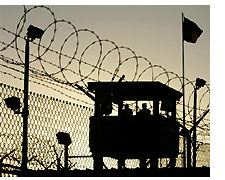 You may remember a previous entry on this site concerning a group of Uyghurs stuck in detention at Guantanamo Bay. Well, the U.S. military released a list of detainees last week along with a large stack of documents offering details on individual prisoners. Among those detailed in the documents are two Uyghurs from Xinjiang, Abu Bakkar Qassim and Adel Abdu Hakim.
An article in today's South China Morning Post (which you can read below) features details on Qassim's journey from Xinjiang to Gitmo via Kyrgyztan, Pakistan, and Afghanistan. Both men make it clear that they're extremely frustrated with their unclear legal status, no longer wanted by the U.S. but unable to be returned to China. I'll let the article speak for itself, as it gives a pretty good idea of how a Uyghur could end up with the Taliban. One hardcore quote from Qassim:
"I never trained at the camp to fight the US or coalition... we Uygurs have more than 1 billion enemies, that is enough for us."
Ouch! No wonder they can't go back to China. There's also a disturbing soft allegation in the article that the American military has allowed Chinese officials to access Uyghur prisoners at Guantanamo:
Disturbingly, said Mr Willett [the detainees' lawyer], the US allowed a delegation from the Chinese government access to interrogate the men in late 2002 or early 2003. "They called us bastards and all this stuff," the transcripts quote an unidentified Uygur as saying. Mr Willett said: "I think there was a period when the US needed Chinese support for the Iraq adventure and this was part of the deal. Isn't it interesting? The military won't permit media to go and talk to our guys but they allow representatives of the PRC [People's Republic of China] to come in and yell at them."
Hrmmm. You can read the full article below.
The unluckiest of the unlucky
They were caught up in the war on terror. Now five Uygurs are trapped between fears of reprisal in China and US stonewalling, writes Jacqui Goddard.
12 March 2006
South China Morning Post
Abu Bakkar Qassim and his friends are given bottled water to drink at Camp Iguana, but the brand name could not be more inappropriate, given the circumstances. It is called Freedom Springs.
Hemmed in by military guards and razor-wire fences, freedom is frustratingly elusive for Qassim and the four other Uygur men detained with him. Ironically, it was a quest for liberty and independence that caused them to flee their Chinese homeland in the first place, but after more than four years on US territory they still have neither.
"We heard a lot of good things about the US in the past, about democracy and human rights. Now they treat us differently and I don't understand that," Qassim told his US military interrogators, according to newly released Pentagon transcripts.
Captured by bounty hunters in Pakistan in 2001 and sold to US forces as alleged associates of al-Qaeda or the Taleban, they ended up at the US naval base in Guantanamo Bay, on the southern tip of Cuba, with more than 500 other alleged "enemy combatants".
They were held in a facility described by Amnesty International as "the gulag of our times", denied the protections of the Geneva Convention and held without formal charge or trial. Government officials branded them "bad guys"; US Secretary of State Donald Rumsfeld described them as "the worst of the worst".
Mark Denbeaux of Seton Hall University Law School, New Jersey, who has studied their plight, has a different description: "The unluckiest of the unlucky."
Despite the Bush administration's subsequent admission in 2004 that it got it wrong and that the men are no threat to national security, the Uygurs remain trapped at Guantanamo with nowhere to go.
Washington has acknowledged that China cannot be trusted to handle them humanely if they return there. "The US has made it clear that it does not expel, return or extradite individuals to other countries where it believes that it is 'more likely than not' that they will be tortured or subject to persecution," says the Pentagon.
But it has refused to transfer them to the US mainland, where they could apply for asylum, and blames the delay in releasing them on other countries' failure to give them status instead.
"The Uygurs really are in the ultimate Catch-22," said Jumana Musa, an advocacy director with Amnesty USA.
"The US went on a rant about them being the 'worst of the worst {hellip} the most vicious on the face of the earth' then they say to other countries 'Oh whoops, they're not bad after all - so here, you take them.' But is it really other countries' responsibility to clear up America's mess?"
For Qassim, the saga began early in 2000, when he left his home in Xinjiang province to sell leather goods at a market in Kyrgyzstan and learn the Koran. "If people try to teach the Koran [in China], they are executed by the Chinese government," he told his interrogators.
Still struggling to make ends meet after 18 months there, he heard about a Uygur-run leather factory in Turkey and, keen for more lucrative work, decided to head there. He went first to Pakistan to apply for a Turkish visa, but could not afford to stay while the paperwork was processed.
So he journeyed to Afghanistan where he had been told there was a Uygur-run "training camp" where he would get free bed and board and lessons on the Koran. In a development that proved key to his downfall, the camp also provided weapons training, with the Uygurs' separatist struggle in mind.
"I never trained at the camp to fight the US or coalition ... we Uygurs have more than 1 billion enemies, that is enough for us," said Qassim. "I trained against the Chinese government. I want to be free because 100,000 people are being used like slaves {hellip} in prison in my country."
He added: "Is it a crime to want to save people from torture? Over the last 50 years, we've been suffering at Chinese hands like animals."
Adel Abdu Hakim, another of the Uygurs, said: "We didn't want to go right back to China after training to fight them. I was trying to go to Turkey to do my business. If something were to happen, then I would go back with other young Uygur men to fight the Chinese government {hellip} but I'm hoping that my country will be liberated peacefully. That would be great."
When the US bombed Afghanistan after the September 11 terrorist attacks in 2001, Qassim, Hakim and 16 other Uygurs fled through snow and fog to the border region with Pakistan. They were given sanctuary by local tribespeople, but not for long.
"Get wealth and power beyond your dreams. You can receive millions of dollars for helping the anti-Taleban force catch al-Qaeda and Taleban murderers," read the leaflets that rained on the region from US aircraft, printed to look like bank notes worth around US$4,200. "This is enough money to take care of your family, your village, your tribe for the rest of your life, pay for livestock and doctors and schoolbooks and housing for all your people," the flyers urged.
The Uygurs were turned over to US forces in exchange for wads of cash and arrived at Guantanamo in January 2002, where they have remained ever since.
In a study of US Department of Defence records relating to 517 detainees there, Professor Denbeaux has established that just 5 per cent were actually captured by US forces. Only 8 per cent have been characterised in the US records as al-Qaeda fighters. Fifty-five per cent are deemed not to have committed any hostile act against the US or its allies.
Some were seized on the basis that they owned a Kalashnikov - as most people in Afghanistan did at the time, Professor Denbeaux's report found - or because they stayed at guesthouses, sported Casio watches or wore drab olive clothing - deemed by the US to be potential hallmarks of Taleban or al-Qaeda affiliation.
When Sabin Willett, a Boston-based lawyer who is acting pro bono for Qassim and Hakim, first met his clients at Guantanamo, they were in chains held down by a heavy iron bolt on the floor. Now they are at Camp Iguana, a separate part of the Guantanamo complex, where they live together in a wooden hut.
The Department of Defence says they are free to roam the area and have access to an "exercise/recreation yard, their own bunk house, activity room {hellip}. television set with VCR and DVD capability, a stereo system, recreational items [such as soccer, volleyball, table tennis], unlimited access to a shower facility, air-conditioning {hellip} special food items and library materials."
Disturbingly, said Mr Willett, the US allowed a delegation from the Chinese government access to interrogate the men in late 2002 or early 2003. "They called us bastards and all this stuff," the transcripts quote an unidentified Uygur as saying.
Mr Willett said: "I think there was a period when the US needed Chinese support for the Iraq adventure and this was part of the deal. Isn't it interesting? The military won't permit media to go and talk to our guys but they allow representatives of the PRC [People's Republic of China] to come in and yell at them."
The US will not explain why it is unwilling to give the men asylum, though reports have suggested that it does not wish to provoke Beijing and the fact that the men admitted they took weapons training does not sit comfortably with Washington's anti-terrorist agenda.
"Every once in a while someone pops up and gets some press for saying, 'Oh, let's close Guantanamo Bay.' Well, if someone has a better idea, I'd like to hear it," Donald Rumsfeld told the Council on Foreign Relations in Washington last month.
"We've released people from Guantanamo on a continuing basis, and we've made mistakes. Fifteen of them have gone back to the battlefield and tried to kill Americans. The idea that you could just open the gates and say, 'Gee, fellows, you're all just wonderful' is not realistic."
Nury Turkel, president of the Uygur Association of America, said: "It's very frustrating, it's very confusing. We are still hoping that some country will open up their doors to provide humanitarian assistance, but we know there's not much progress being made.
"I hate to use this term, but they will be turned into organ donors if they are sent home, that's how bad the situation is. Their fate will be unspeakable."

posted March 12, 2006 at 10:29 AM unofficial Xinjiang time | HaoHao This!
Comments
File Under: JOIN THE TERRORIST WATCH LIST!
I'm selling one of these Casios on Ebay, with satiric commentary that's so far only gotten me hate mail.
You can see it on Ebay at:
thanks,
Sim Sadler
The comment above was posted by Sim Sadler at March 13, 2006 10:10 AM unofficial Xinjiang time.
More from the NY Sun:
America Seeking To Block Appeal Of Two Chinese at Guantanamo
By JOSH GERSTEIN Staff Reporter of the Sun
27 March 2006
The New York Sun
The Bush administration is asking the Supreme Court to refuse to hear an unusual petition brought by two Muslims from China who are being held at Guantanamo Bay despite the American military's determination that the pair pose no threat to America.
The men, members of the Uighur community native to western China, have picked up some surprising support in their quest for freedom, most notably from a former FBI director known as a conservative no-nonsense lawman, William Sessions.
According to the government's court filings, Abu Bakker Qassim and Adel Abdu' Al-Hakim received weapons training at a Taliban-supplied camp near Tora Bora, Afghanistan, prior to the September 11, 2001, terrorist attacks.
As military action intensified in the region, the men are said to have fled to Pakistan, where they were captured and taken to an American base in Afghanistan. In 2002,American forces deemed the two men to be "enemy combatants" and flew them to Guantanamo.
A year ago, a military tribunal formally determined that Messrs. Qassim and Al-Hakim were no longer enemy combatants. Lawyers for the men contend the military made that determination in 2003.
However, the pair has remained at Guantanamo, because they object to being returned to China, and American authorities will not admit them to this country. The pair contends they are likely to be tortured if returned to China, which has a history of harsh treatment of Uighur militants.
In a new filing with the Supreme Court, the government argues it is engaged in "substantial ongoing diplomatic efforts to transfer them to an appropriate country."
An attorney for the men, Sabin Willett, said in an interview yesterday that the men are caught in legal limbo, with no country willing to accept them.
"These guys have been there at least three years with our government saying our government is trying to resettle them," Mr. Willett complained. "We've spent a lot of money telling the world that Guantanamo is full of terrorists. Now, the world believes us and nobody wants them."
Aside from the pair involved in the litigation, at least five other Uighurs have been deemed releasable by the military and are still being detained, Mr. Willett said. He estimated 23 Muslims from China are jailed at Guantanamo.
In December, Judge James Robertson issued a ruling that found the continuing detention of Messrs. Qassim and Al-Hakim to be illegal. The judge also blasted as "Kafka-esque" the government's use of the term "no longer enemy combatants" to describe their status.
However, Judge Robertson ultimately found it was impractical to release the men on a military base and that bringing them to America "would have national security and diplomatic implications beyond the competence or the authority of this court."
"I find that a federal court has no relief to offer," the judge wrote.
Lawyers for the two men appealed to a federal appeals court in Washington, which is scheduled to hear arguments in the case in May. Six retired federal judges filed a friend-of-the-court brief last month arguing that the Uighurs are being treated unfairly.
"The injustice petitioners continue to suffer is of the gravest kind," the brief filed by the former judges said. "The district court's failure to provide a remedy for petitioners' unlawful detention is inconsistent with the well settled understanding of the function of habeas corpus and the judicial role in ensuring the separation of powers."
Some of the ex-judges who signed the brief have backed other challenges to the treatment of prisoners at Guantanamo. A Newark-based law firm led by two former 3rd Circuit judges on the brief, John Gibbons and Timothy Lewis, has represented the American Civil Liberties Union in a lawsuit seeking documents that expose what the ACLU calls "torture" at Guantanamo and in Iraq.
The presence on the brief of Mr. Sessions, appointed FBI director by President Reagan and fired by Mr. Clinton, comes as something of a surprise. Mr. Sessions, reached at his Washington home yesterday, declined to comment.
While the appeal is pending, the prisoners' legal team has also asked the Supreme Court to take up the case immediately.
In a Supreme Court filing posted Friday on the Justice Department Web site, government lawyers stated their opposition to that extraordinary review, which is rarely granted. The Justice Department noted that after World War II and the Korean War, tens of thousands of prisoners-of-war refused to return to their countries. The contention that detaining such prisoners is illegal is "contrary to both history and logic," government lawyers said.
The government also said the men are being treated well at Guantanamo and have access to an exercise yard, soccer, volleyball, and ping pong equipment, showers, air conditioning "which they control," and a television with a DVD and VCR.
There seems little dispute between the parties that the Uighurs could be in danger if returned to China. The State Department's most recent report on human rights is replete with claims that Muslims in China's western Xinjiang province are subjected to repression.
"The Chinese have already threatened to do them harm," Mr. Willett said, noting that Chinese officials flew to Guantanamo to interrogate Uighur prisoners in 2002."The Chinese have branded these guys as terrorists. They have a history of putting Uighurs into prison, where they are never heard from again."
The new Justice Department brief said the men will not be sent back to China because of a treaty America has ratified which forbids the return of persons to countries where they are likely to be tortured.
The outcome of the Uighurs' legal challenge could turn in part on another Guantanamo-related case the Supreme Court is to take up tomorrow, Hamdan v. Rumsfeld. A key question in that dispute is whether a law passed last year, the Detainee Treatment Act, was intended to toss out all pending litigation brought by Guantanamo prisoners, or just to limit cases filed in the future.
News reports over the weekend raised questions about whether Justice Scalia should recuse himself from the case involving Salim Hamdan, a former driver for Osama bin Laden.
A report Saturday on a Supreme Court-related blog,Scotusblog.com, and another yesterday in Newsweek magazine, noted that Justice Scalia delivered a speech in Switzerland earlier this month in which he appeared to argue vigorously against trials for Guantanamo detainees. "I am not about to give this man who was captured in a war a full jury trial. I mean it's crazy," Justice Scalia said in the speech, which was videotaped and posted on the Web.
There was no indication yesterday that counsel for Mr. Hamdan plan to ask Justice Scalia to recuse himself. Chief Justice Roberts has already done so because he ruled on the case while serving as an appeals court judge.
The comment above was posted by michael at March 28, 2006 09:49 AM unofficial Xinjiang time.
U.S. pressures Germany to accept group from Guantanamo
14 April 2006
Reuters News
BERLIN, April 14 (Reuters) - The U.S. government wants to deport a group of Chinese Muslims held at the Guantanamo prison camp to Germany and is pressuring Chancellor Angela Merkel to take in the ethnic Uighurs, a newspaper reported on Friday.
The German daily Die Welt quoted diplomatic sources saying Merkel's government has resisted the U.S. pressure to accept the 15 Uighurs from the restive, predominantly Muslim region of Xinjiang in China's northwest.
"We have no comment on the report," a government spokesman in Berlin said on Friday. Merkel is the only European leader to have publicly called on the United States to close the camp.
The men, who oppose China's Communist rule, are from the region that was known as East Turkestan until it was annexed by the Manchu Empire in 1884. Its Uighur inhabitants, a Muslim Turkic people, want more autonomy; some want independence.
The newspaper report, to appear in the daily's Saturday edition, said Germany was identified as a suitable location for the Uighurs, held since 2002, because another group of Uighurs already live in exile in Bavaria.
The German government has resisted the U.S. pressure so far, the daily said, because it does not want to put strains on its relations with China and fears accepting the Uighurs would be seen in Beijing as a hostile act.
The diplomatic sources told the newspaper the issue was expected to be discussed between U.S. President George W. Bush and Merkel when she visits Washington in May.
Just days before her first trip as chancellor to meet Bush in January, Merkel said in a magazine interview that the United States should close the Guantanamo Bay camp and find other ways to deal with terrorism suspects.
Court documents in the United States said the men got military training in Afghanstan under the Taliban. Military officials said they were learning to fight. The U.S. State Department has tried for months to find someone to take them.
In December, U.S. District Judge James Robertson ruled that the men's continued detention was illegal since they were no longer considered enemy combatants.
The comment above was posted by michael at April 14, 2006 09:29 PM unofficial Xinjiang time.
China asks US to 'properly' handle its nationals at Guantanamo
21 April 2006
The Press Trust of India Limited
Shanghai, Apr 21 (PTI) China has urged the US to "properly" handle terror suspects of Chinese nationality being held at the Guantanamo Bay prison in Cuba.
"The United States should deal with terrorist suspects held at Guantanamo Bay in a prudent, responsible and proper manner," Chinese Foreign Ministry spokesman Qin Gang said.
The United States should take into consideration international anti-terrorism cooperation and China-US relations and abide by international law, Qin said.
The Pentagon posted a list of 558 detainees on its website yesterday after continued criticism of the secrecy surrounding the detention centre.
US forces had nabbed an unspecified number of Uygur men of Chinese nationality in Afghanistan who had trained in terror camps in Pakistan and Afghanistan.
Qin said that terrorism is the common enemy of the international community.
"The 'East Turkistan' terrorist forces in northwest China's Xinjiang Uygur Autonomous Region constitute part of international terrorist forces, posing serious threats to the international community, including China and the United States, and people's lives and property," Qin said.
"China hopes and believes that the international community can understand and support China's crackdown on East Turkistan terrorist forces," he said.
East Turkistan separatists have been attempting to establish an independent state in oil-rich Xinjinag region.
However, China has succeeded in suppressing low-intensity militancy in the strategic region which shares a common border with countries like India, Afghanistan and Pakistan.
The comment above was posted by michael at April 25, 2006 11:29 AM unofficial Xinjiang time.
China demands Albania return 5 men U.S. freed from Cuba camp
Nicholas Wood
International Herald Tribune
10 May 2006
Once a stalwart ally of Communist China, Albania drew Beijing's ire on Tuesday when its Foreign Ministry demanded the return of five Chinese men who had been transferred here by the United States from its prison camp at Guantanamo Bay, Cuba.
The men are being held in a compound pending the resolution of their requests for political asylum. They are ethnic Uighurs, a Muslim, Turkic-speaking minority from China's northwestern Xinjiang Province. U.S. officials, citing concerns that the five could face persecution if they were returned to China, said it took 18 months to find a country that would take them. While Albania, an aspiring member of NATO, appeared eager to facilitate the U.S. request, it now finds itself under Chinese pressure to extradite the men, branded terrorists by Beijing.
In Beijing on Tuesday, a spokesman for the Foreign Ministry repeated demands made Monday by the Chinese ambassador to Tirana, Tian Changchun, that the men be handed over. "These suspects should be sent to China as soon as possible," said the spokesman, Liu Jianchao, The Associated Press reported. "The act by the United States and Albania strongly violates international law."
Albania is seeking closer ties with the United States, and China, Albania's sole ally during the Communist regime of Enver Hoxha, still maintains good relations. Deputy Prime Minister Hui Liangyu visited the capital last month. So Beijing's protests have prompted concern.
The former prisoners were allowed to visit a lakeside restaurant with their lawyer on Monday but are now confined to their compound. The Albanian foreign minister, Besim Mustafaj, has also promised that the government will investigate the five's ties to possible terrorist organizations. "We don't know what they did before," he said in an interview. "I told the Chinese ambassador that we would investigate their activities."
But he added that the government accepted the men based on U.S. assurances that they were not "enemy combatants," the term used by the Pentagon to define members of Al Qaeda, the Taliban and other terror groups.
The men were held by the United States for more than five years, most of them in Guantanamo. Their lawyer, Sabin Willett, said they were among 17 men who sought refuge in Pakistan during the collapse of the Taliban regime in Afghanistan.
They were arrested by the Pakistani police in December 2001 and transferred to a U.S. facility in Kandahar, Afghanistan, before being flown to Cuba.
In March 2005, a U.S. military panel declared that the five men were "noncombatants," a decision that was not made public until June. Since then lawyers had petitioned a U.S. court to have them released. Willett said the men's arrival in Albania had taken him and Albanian officials by surprise.
A State Department official familiar with the case said Washington had been intensively negotiating the men's transfer to Albania for six weeks. The official, who asked to remain anonymous, said the United States had gained assurances from the Albanian government that the men would not be returned to China against their will.
The comment above was posted by michael at May 11, 2006 03:29 PM unofficial Xinjiang time.
God is almightly ! God is mercuful !
oh my lord help our uighur's to get our independence for free from devil of china ! plz save us from billions of jogs & mogs !
what we are encounter all are truth .truth of touture ,Gionicde ,cultural and historical devastate ,,,,and more ,,,,,,,,,
about these uighur guy's they are unguilty ,,they only have dream and wishes for get free from china dictatory and holding our rgihts as human to live in this world as a right of whic given by God as human !
thank's you !
plz never forget for pray for us and your friendship's !
The comment above was posted by ale at October 12, 2006 05:43 AM unofficial Xinjiang time.
sex shop | seks market | seks shop | sex shop | erotic shop | sex shop | sex shop | penis büyütücü | vibratör | sex shop | seks shop | penis büyütücü | vibratör | geciktirici sprey | seks partner | arkadaş | arkadaşlık | partner | arkadas | seks partner | iş elbiseleri | iş kıyafetleri | önlük | üniforma | iş elbisesi | yağmurluk | penis büyütücü | penis büyütme | penis | geciktirici sprey | geciktirici | erken boşalma | geciktirici krem | vibratör | penis | dildo | penis büyütücü | penis büyütme | penis büyütmek | penis büyütücüler | jel vibratör | jel penis | jel dildo | belden bağlamalı vibratör | belden bağlamalı penis | belden bağlamalı dildo | protez penis | realistik vibratör | fantazi ürünleri | sado mazo | iç giyim | vibratör set | geciktirici sprey | geciktirici | geciktirici krem | azdırıcı | vajina | penis büyütme | şişme bebek | şişme manken | tala tüy dökücü | tüy dökücü | tüy dökücü krem | penis | şişme erkek manken | şişme erkek bebek | afrodizyak | uyarıcı | feromon | masaj yağı | kremler sikiş | seks seyret | porno seyret | video seyret | sikiş seyret | porno | sex | seks | sikiş izle | porno izle | seks izle | sex izle | gizli çekim | rus sikiş | amatör sikiş izle | gizli çekim sikiş izle | gizli çekim | gizli çekimler | gizli cekim | türk gizli çekim | gizli çekim videoRozet | İsimlik | Grafik Tasarımı | Reklam Tanıtım | Grafik Tasarim | Tükenmez Kalem | Kokart | Reklam Hizmetleri | Kartvizit Tasarımı | Ofset Matbaa | Kartvizitler | Eşantiyon | Promasyon | Reklam Ürünleri | Promosyon Kalem | Reklam Ajanslari | Reklam Ajansi | Reklam Promosyon | Tanıtım Ajansı | Kartvizit Tasarım | Kristal Plaket | Promosyon Anahtarlık | Promosyon Firmaları | Promosyon Malzemeleri | Promosyon Ürünler | Anahtarlik | Şilt | Broşür Tasarımı | Afiş Tasarımı | Broşür Tasarım | Reklam Promosyon | Kadife Kutu | Atatürk | Atatürk Köşesi | Atatürk Resimleri | Atatürk Fotoğrafları | Ataturk | atatürk resmi | atatürk şiirleri | atatürkün anıları | atatürk ün hayatı | kemal atatürk | atatürk hayatı | atatürk inkılapları | atatürk hayati | atatürk köşeleri | atatürk rozeti | atatürk büstü | atatürk kravat | atatürk anahtarlık | atatürk saati | atatürk cam | atatürk porselen | atatürk çerçevesi atatürk | atatürkcü düşünce | atatürkcü düşünce derneği | add | ödül | reklam | plaket | kupa | madalya | madalyon | kristal plaket | şilt | isimlik | cam plaket | lazer kesim | metal etiket | kaşe | promosyon kupa | yaka kartı | ödüller | damla etiket | kupa baskı | madalyonlar | plaket yapımı | madalya plaket | plaketler | plaket imalatı | kupa imalat | kupa imalatı | plaket imalat | cam kupa | kristal cam | plaket baskı
The comment above was posted by sex shop at December 23, 2009 02:26 AM unofficial Xinjiang time.
Thank you very much for this useful article. I like it.
kelebek
chat
chat
chat odasıchat odası
kelebek sohbetkelebek sohbet
sohbet kanallarısohbet kanalları
mersin sohbetmersin sohbet
kelebek scriptkelebek script
kelebek chatkelebek chat
mersin chatmersin chat
rize sohbetrize sohbet
karadeniz sohbetkaradeniz sohbet
The comment above was posted by bahanechat at January 11, 2010 03:57 AM unofficial Xinjiang time.
Thanks for sharing such a great story.
Advertising
Art and Entertainment
Automotive
Business
Careers
Computers
Education
Finance
Food and Beverage
Health
Hobbies
Home and Family
Home Improvement
Internet
Law
Marketing
News and Society
Real Estate
Relationships
Self Improvement
Shopping
Spiritually
Sports and Fitness
Technology
Travel
Writing
The comment above was posted by Article at April 7, 2010 07:18 AM unofficial Xinjiang time.
hiphop|sikiş izle|rap|chat sohbet|sikiş |porno|porno siteleri|sikiş izle|sikiş| kelebek|sohbet odalari|tatil|mynet sohbet|chat|sohbet|kelebek chat|kelebek sohbet|porno izle|chat sikişme alışveriş
The comment above was posted by sohbet at April 7, 2010 09:10 PM unofficial Xinjiang time.
Captured by bounty hunters in Pakistan in 2001 and sold to US forces as
alleged associates of al-Qaeda or the Taleban, they ended up at the US naval
base in Guantanamo Bay, on the southern tip of Cuba, with more than 500 other
alleged "enemy combatants".
The comment above was posted by Miami at April 8, 2010 09:01 PM unofficial Xinjiang time.
Thanks for sharing.
The comment above was posted by California at April 13, 2010 09:03 PM unofficial Xinjiang time.
thank you read your article makes me very happy and I wish success really very beautiful
chat siteleri | mirc indir | mirc
I know my little chat brother has set up a photo booth at
yonja birthday parties and gives away the photos
as party favors.You can have people make a RFL banner to
almanya sohbet use as a backdrop.Have a digital camera,
fransa sohbet a few memory cards, and a photo printer on site. You can easily charge islami sohbet
$5 a photo. That will be dini sohbet
enough to cover your cost for the ink and still make a significant profit to give to ACS chat siteleri |
mynet chat | yonja | forum siteleri | saglik bilgisi | güncel haberler | guzel sozler | mirc
sohbet odalari | çet | sohbet
netlog çet |
| Forum | forum siteleri | film izle | sinema izle | online film izle |
bedava film izle |indirmeden film izle |
KurSun
| sohbet |
KuRsuN
Çet
Chat
chat
Trsohbet
çet
chat odalari| ThanS You :P
çet
sohbet
sohbet
The comment above was posted by iSo at April 16, 2010 05:32 AM unofficial Xinjiang time.
- دردشة الخليج -
- شات الخليج -
- الخليج -
- شات المميزة
- دردشة -
- دردشه -
- شات -
- شات بنات -
- شات خليج العرب -
- شات الخليج العربي -
- دردشة كتابية -
- شات كتابي -
- دردشة المميزة -
- المميزة -
- شات بنات -
- دردشه الخليج -
- دردشة كتابية -
- شات كتابي -
- شات خليجي -
- دردشة سعودية -
- دردشة بحرينية -
- دردشة عراقية -
- دردشة يمنية -
- دردشة قطرية -
- دردشة اماراتية -
- دردشة سودانية -
- دردشة لبنانية -
- دردشة مغربية -
- دردشة خليجية -
- دردشة فلسطينية -
- دردشة اردنية -
- دردشة مصرية -
- شات جنسي -
- دردشة جنسية -
- شات صوتي -
- دردشة صوتية -
- شات صوتي -
- دردشة صوتية -
- مركز تحميل الاغاني -
- دليل دردشة -
- دردشة ابن اليمن -
- دردشة صوتية يمنية -
- دردشة صوتية عمانية -
- دردشة صوتية اماراتية -
- دردشة صوتية قطرية -
- دردشة صوتية بحرينية -
- دردشة صوتية كويتية -
- دردشة صوتية سعودية -
- دردشة صوتية خليجية -
- دردشة صوتية سودانية -
- دردشة صوتية مصرية -
- دردشة صوتية فلسطينية -
- دردشة صوتية سورية -
- دردشة صوتية لبنانية -
- دردشة صوتية اردنية -
- دردشة صوتية شامية -
- دردشة صوتية عربية -
- دردشة عربية -
- دردشة فور عدن -
- شات كتابي -
- دردشة شامية كتابية -
- شات سعودي -
- شات عربي -
- شات صوتي -
- شات عراقي -
- شات كويتي -
- شات بحريني -
- شات اماراتي -
- شات قطري -
- شات عماني -
- دردشة ليبيا -
- شات يمني -
- شات مصري -
- شات سوداني -
- شات اردني -
- شات سوري -
- شات فلسطيني -
- شات مغربي -
- شات لبناني -
- شات جزائري -
- شات تونسي -
- شات ليبي -
- دردشة خليجية -
- دردشة تونس -
- دردشة ليبية -
- دردشة نار الحب -
- دردشه تعب قلبي -
- دردشه بنت السعوديه -
- دردشة دلع -
- دردشة حبنا -
- دردشة دلع نجد -
- دردشة جزائرية -
- دردشة سورية -
- دردشة كويتية -
- دردشة عمانية -
- دردشة سورية -
- دردشة سعوديات -
- دردشة عربيات
- دردشة كويتيات -
- دردشة بحرينيات -
- دردشة عراقيات -
- دردشة يمنيات -
- دردشة قطريات -
- دردشة اماراتيات -
- دردشة عمانيات -
- دردشة اردنيات -
- دردشة لبنانيات -
- دردشة سوريات -
- دردشة فلسطينيات -
- دردشة مصريات -
- دردشة مغربيات -
- دردشة سودانيات -
- دردشة بنات تعز , شات بنات تعز -
- دردشة بنات المغرب , شات بنات المغرب -
- دردشة سكسية -
- شات مصراوي -
- اغاني عربي mp3 -
- طرب موقع طرب اغاني طرب اغاني mp3 -
- دردشة بنت المغرب
- دردشة بنت تعز -
- دردشة ابن اليمن , شات ابن اليمن -
- منتديات الخليج -
- المنتدى العام -
- المنتدى الاسلامي -
- اناشيد اطفال اناشيد اسلامية -
- اللغة الانجليزية - ترجمة -
- القضـايا الساخنـة والحـوار -
- آخر الأخبار والأحداث -
- الترحيب والاهداءات -
- مجلس الاعضاء -
- كرسي الاعتراف -
- همس القوافي -
- خواطر - قسم الخواطر الأدبية -
- قصص وحكم -
- الرياضة والشباب -
- صور سيارات -
- الفرفشه والضحك -
- الالعاب والمسابقات -
- صور وعجائب -
- صور انمي - افلام انمي -
- افلام ومسلسلات ومسرحيات -
- استار اكاديمي 7 -
- السياحة والسفر - مناظر طبيعية -
- الحياة الزوجية - الاسرة والطفل -
- عالم حواء - فساتين ومكياج وموضة -
- الديكور والاثاث المنزلي -
- اسـرار البنـات -
- منتدى مـائدة الخليج -
- الصحة والطب -
- بلاك بيري و ايفون -
- قسم البرامج العربية والمعربة -
- الجرافيكس والتصميم -
- ملحقات الفوتوشوب والفلاش -
- قسم تصاميم الفلاش والسويتش -
- البرامج والكمبيوتر و تبادل الخبرات -
- مشاكل وحلول القسم الـتـقـنـي -
- توبيكات ملونة - صور ماسنجر -
- مسجات - رسائل وسائط -
- مــنــتــدى تغــيير النــك نيـــم - الأســم -
- شات الخليج -
- دردشة الخليج -
- توبيكات -
- طرب -
- اغاني -
شات صوتي
شات سوري
شات سوريا
دردشة سورية
دردشة سوريه
دردشة سوريات
شامية
شات شامي
شات الشام
دردشة سوريا
دردشة شاميه
دردشة شاميات
منتديات سورية
منتدى سوريات
منتدى شامي
منتدى سوريا
منتديات الشام
منتديات شامية
The comment above was posted by دردشة الخليج at April 19, 2010 11:48 PM unofficial Xinjiang time.
cam balkon cam balkon
cam balkon cam balkon
cam balkon cam balkon
cam balkon cam balkon
cam balkon cam balkon
cam balkon cam balkon
cam balkon cam balkon
cam balkon cam balkon
cam balkon cam balkon
cam balkon cam balkon
düğün salonu düğün salonu
ılgaz ılgaz
çankırı çankırı
web tasarım web tasarım
kiralık bobcat kiralık bobcat
mynet sohbet mynet sohbet
sohbet et sohbet et
sohbet et sohbet et
The comment above was posted by web tasarım at April 21, 2010 03:12 AM unofficial Xinjiang time.
really this is a nice web thank you thanks admin good post super messege
kameralı sohbet
The comment above was posted by Kameralı Sohbet at April 25, 2010 09:03 PM unofficial Xinjiang time.
hello to everyone who has blog.first I congratulate the blog owner.he is got excellent blog.actually I read all your articles from weary and your writing very attractive waiting to continue thanks
Almanya sohbet
The comment above was posted by Almanya Sohbet at April 25, 2010 09:03 PM unofficial Xinjiang time.
hello i think maybe you will want some hot and nice words.
çet
The comment above was posted by Çet at April 25, 2010 09:04 PM unofficial Xinjiang time.
İstanbul Sohbet
İzmir Sohbet
Ankara Sohbet
Adana Sohbet
Adıyaman Sohbet
Afyonkarahisar Sohbet
Aksaray Sohbet
Amasya Sohbet
Antalya Sohbet
Artvin Sohbet
Aydın Sohbet
Balıkesir Sohbet
Bilecik Sohbet
Bingöl Sohbet
Bitlis Sohbet
Bolu Sohbet
Bursa Sohbet
Burdur Sohbet
Denizli Sohbet
Diyarbakır Sohbet
Edirne Sohbet
Elazığ Sohbet
Batman Sohbet
Bayburt Sohbet
Düzce Sohbet
Iğdır Sohbet
Karabük Sohbet
Karaman Sohbet
Kilis Sohbet
Kırıkkale Sohbet
Osmaniye Sohbet
Yalova Sohbet
Bartın Sohbet
Ardahan Sohbet
Şanlıurfa Sohbet
Uşak Sohbet
Tunceli Sohbet
Trabzon Sohbet
Çorum Sohbet
Erzurum Sohbet
Niğde Sohbet
Diyarbakır Sohbet
Kocaeli Sohbet
Mardin Sohbet
Muş Sohbet
Edirne Sohbet
Kars Sohbet
Gebze Sohbet
Nevşehir Sohbet
Rize Sohbet
Çankırı Sohbet
Çanakkale Sohbet
Kırklareli Sohbet
Kırşehir Sohbet
Mersin Sohbet
Kayseri Sohbet
Hatay Sohbet
Gümüşhane Sohbet
Giresun Sohbet
Gaziantep Sohbet
Isparta Sohbet
Kastamonu Sohbet
Hakkari Sohbet
Konya Sohbet
Kütahya Sohbet
Sakarya Sohbet
Ordu Sohbet
Erzincan Sohbet
Samsun Sohbet
Eskişehir Sohbet
Siirt Sohbet
Zonguldak Sohbet
Yozgat Sohbet
Sinop Sohbet
Kahramanmaraş Sohbet
Tokat Sohbet
Sivas Sohbet
Malatya Sohbet
Van Sohbet
Tekirdağ Sohbet
Manisa Sohbet
Şırnak Sohbet
Muğla Sohbet
Ardahan Sohbet
Ağrı Sohbet
The comment above was posted by sohbet at April 27, 2010 06:58 PM unofficial Xinjiang time.
حصري
منتديات حصري
فتاوى
حكم
الاسلام
احكام
رمضان
شهر رمضان
منتدى رمضان
دروس رمضانيه
فلاشات رمضانيه
القران الكريم
تلاوه - ترتيل القران
عبدالرحمن السديس
الحديث
البدع
اناشيد
صوتيات
مرئيات اسلامية أناشيد
اناشيد اطفال
اناشيد فرقة طيور الجنة
فريق طيور الجنة
طيور الجنة
طيور الجنة mp3
منتديات اسلامية
فديو رايت شمسا
تحميل رايت شمسا
أدب وثقافة وشعر و قصص و وروايات
همس القوافي
شعر -قصائد متنوعة
أعذب القصائد
قصص- روايات
Novels
روايات
قصص طويله
قصص مشوقه
روايات طويله
خواطر حب
خواطر
خواطر فراق
خواطر عشق
قصائد صوتية
قصائد
مولات
شاعر
المليون
منتديات ترفيهية
صور x صور
صور
خلفيات -
خلفيات حاسوب
حافضات الشاشة
صور سيارات
صور سيارات 2010
صور سيارات 2011
مسابقات -
الغاز
نكت -
طرائف -
ضحك -
نكت وطرائف
يوتيوب -
موقع يوتيوب -
يوتيوب فيديو
العاب فلاش -
العاب بنات -
العاب كمبيوتر -
تحميل العاب
ألعاب طبخ
ألعاب ديكور
ألعاب قتالية
ألعاب طائرات
ألعاب كرة السلة
ألعاب بليارد
ألعاب رياضية
ألعاب ماريو
العاب ذكاء
العاب تلبيس
العاب التلبيس
ألعاب ميك اب
ألعاب باربي
ألعاب الرماية
ألعاب أكشن
ألعاب كرة قدم
ألعاب سيارات
ألعاب دبابات
ألعاب سونيك
العاب فلاش ورق
العاب أطفال
ألعاب بنات
ألعاب أزياء
غرائب
عجائب
غرائب و عجائب
غرائب العالم
الأسرة -
الطفل
العناية بالأطفال
كيف تربي ابنك
تغذية الطفل
فساتين سهرة
ازياء
اكسسوارات
ملابس
موضه
فساتين
العنايه بالشعر
الشعر
زيت
مكياج
ميك اب
اسرار البنات
وصفات لتبيض
البشرة
اكسسوارات -
مكياج عيون -
مكياج 2010
مكياج 2011
تسريحات
تطوير الذات -
تنمية القدرات -
تنمية العقل
طبخ -
اكلات -
مطبخ -
حلويات -
معجنات -
وجبات
السفره الرمضانيه
طب -
صحه -
غذاء -
الطب البديل -
اعشاب -
ريجيم
ديكور -
غرف نوم -
ديكورات -
اثاث -
غرف -
مطابخ
برامج كمبيوتر
برنامج
برامج
منتدي برامج نت
منتديات برامج نت
برامج نت
برامج حماية
برامج ماسنجر -
ماسنجر
توبيكات
توبكات ملونه للماسنجر
اخبار التكنولوجيا -
أخبار التقنية
منتدى تطوير المواقع والمنتديات
منتدى تطوير المواقع
منتدى تطوير المنتديات
منتديات كورة -
اخبار الرياضة
منتدى الكرة العربية
منتدى كووورة القدم الإنجليزية
منتدى كووورة القدم الإسبانية
منتدى كووورة القدم الإيطالية
منتدى كووورة القدم العالمية
منتدى الرياضه العالميه
منتديات كووورة
منتدى كووورة
كووورة
كووورة العربية
كووورة الإنجليزية
كووورة الإسبانية
كووورة الإيطالية
كووورة العالمية
المصارعة الحرة -
مصارعة حرة
المصارعة
برامج جوال -
برنامج للجوال
العاب الجوال -
العاب جوال
برامج جوال
برامج نوكيا
العاب جوال
العاب نوكيا
ثيمات جوال
ثيمات نوكيا
مسجات الجوال
نغمات الجوال
رنة الجوال
Pocket Pc برامج
الكومينيكوتر
برامج الكومينيكوتر
Communicator برامج
Communicator برامج Sony Ericsson برامج
برامج كمبيوتر بسي
برامج Pocket Pc
Pocket Pc
كمبيوتر بسي
برامج الايفون
iphone برامج
برامج البود
ipod برامج
الأيبود برامج
الايفون
iphone
الأيبود
iPod
--------------
توبيكات حزينه -
توبيكات حزن
توبيكات رومانسية -
توبيكات حب
توبيكات شعرية -
توبيكات شعر
توبيكات غرور -
توبيكات الغرور
توبيكات خيانه -
توبيكات الخيانة
توبيكات كبرياء -
توبيكات الكبرياء
توبيكات عتاب -
توبيكات العتاب
توبيكات اغاني -
توبيكات الاغاني
توبيكات أسماء -
توبيكات الأسماء
توبيكات انجليزيه -
english topics
توبيكات مضحكه -
توبيكات ضحك
توبيكات العيد -
توبيكات عيد
توبيكات رياضية -
توبيكات الرياضة
توبيكات إسلامية -
توبيكات الإسلامية
توبيكات منوعة -
توبيكات عامة
توبيكات معربه -
توبيكات عربية
توبيكات رمضانية -
توبيكات رمضان
توبيكات 2010
توبيكات حصري
توبيك
توبيكات
نكات
نكات ملونه
توبيكات ملونه
توبيكات ماسنجر
توبيكات ملونة
توبيكات للماسنجر
توبيكات جديده
توبيكات ملونه للماسنجر
j;fdmhj
توبيكات
------------
مواقع اسلامية
مدونات
مواقع شخصية
ادب و فن
العاب
علوم
انترنت
صحة
اسرة و مجتمع
سفر و سياحة
اخبار و اعلام
شركات و هيئات
تعليم
سيارات و مركبات
دليل منوعات
تسوق و شراء
حاسب الي
رياضة
حكومات ومنظمات
مال و استثمار
----------------------------------------------------------
انشودة زين 2010
انشودة زين الجديده
رايت شمسا
اغنية زين mp3
انشودة رايت شمسا
اغنية زين 2010
صور سيارات 2010 - صور سيارات
اغلى 10 سيارات في العالم 2010 - أغلى 10 سيارات في العالم 2010
اغاني طيور الجنة
توبيك ياحلم وين المشكله لو تحققت
توبيكات خيانه
توبيكات منى امرشا يايمه حبيته
توبيكات غرور
توبيكاات
توبيكات المغرب
توبيكات حزينه حصري
توبيكات نيوتن
توبيكات صباح الخير
توبيكات نساك الموت
توبيكات حصري 2010
اكلات منال العالم
مطبخ منال العالم
صورة.فرعون
ة سوزان تميم
مقال
hotspot shield 1.37
hotspot shield
همر 2010
مصارعة جون سينا
وصفات منال العالم
خواطر فراق
توبيكات رومانسيه جدا
توبيك ودي اموت اليوم واعيش باكر
توبيكات انجلش
توبيك استاهل الموت
ايجى اب
منتدى شموع الود
مترجم قوقل (google) , ترجمة فورية مجانية , ترجمة نصوص , ترجمة مواقع , google translat
ايجي اب
توبيكات احبك
برنامج استرجاع الملفات المحذوفة
صور فرعون
اكلات مطبخ منال العالم
استضافة مجانية
ممتازين ليبيا
دليل المواقع
التربية التكنولوجية
افلام عربى
شموع الود
دليل مواقع
كوم للتوظيف
ممتازين
المجربي
شبكه المخلافي الثقافي
مقهى العيال
دردشة سعودي كام الصوتية
www.ksa4cam.com
منتدى خبله
شباب ع الطاير
منتديات كيوت تايم
ksa4cam
سعودي كام
كام
سعودي كم
سعودي 4 كام
شات صوتي كام
شات صوتي كام
شات سعودي كام
دردشه سعودي كام
دردشة سعودي كام
توبيكات عتاب
توبيك ودي اموت اليوم واعيش
ياحلم وين المشكله لو تحققت
توبيكات عامه ملونه
توبيكات حب
احيان تلقى حاجتك داخل الصمت
توبيك ياحلم
توبيكات احيان تلقى حاجتك داخل الصمت
توبيكات ياحلم وين المشكله لو تحققت
,ترجمه
الترجمة
ترجمه مجانية
ترجمة فورية
ترجمة جوجل
مترجم قوقل
كيف تجعل شخص يحبك
كيف تجعل البنت تحبك
كيف تجعل شخص يحبك بجنون
حصريا مكتبة علم النفس والاجتماع والصحة النفسية وتطوير الذات الجزء الاول
الهاشمي وأعشاب الطبيعية
كيوت تايم
منتديات خبله
منتديات المخلافي الثقافية
بعثرة حكي
منتديات ممتازين ليبيا
دردشه طرب كول الصوتيه
طرب كول الصوتيه
الشيخة السوسية المغربية ام بلال
احساس العرب
ست الحسن
الشيخة ام ياسين
توبيك يطعنك شخص
توبيكات حصريه
توبيك اذا ناوي على الروحه
توبيكات انوثه
توبيكات رومانسيه حيل
توبيكات عتاب ملونه
توبيكات موني
من قال عنك قمر كذاب كذاب
ياحلم وين المشكله لو تحققت توبيك
توبيك احلى بنوته
توبيك مغربي
توبيك محتاج لك
توبيك صباح الخير
صور قطط
اناشيد طيور الجنة كاملة
برنامج لفتح المواقع المحجوبة
برنامج فتح المواقع المحجوبة hotspot shield
صور سيارات هم
منال العالم مطبخ
المصارع جون سينا
كمال الاجسام
توبيك احبك
قفطان مغربي 2009
توبيكات تكب
نوكيا n73 - اكبر مكتبه ثيمات لجهاز نوكيا
مسجات حب 2010
اغاني طيور الجنة
ة سوزان تميم
مصارعة جون سينا
خلفيات سطح المكتب
مصارعة حرة
wolfteam
ورود
ماسنجر 2009
صور سيارات
عالم الحيوان فيديو
خلفيات متحركة
ورد
اطفال حلوين
اندرتيكر
فرعون
خريطة المغرب
غرائب وعجائب
hotspot shield 1.37
توبيكات حزينه ملونه
منتديات كورة
صور كمال اجسام
hss-1.34-install-anchorfree-76-conduit
صور ورد
كامري
همر
همر
همر
همر
مطبخ منال العالم بالصور
مطبخ منال العالم بالصور
مطبخ منال العالم بالصور
مطبخ منال العالم بالصور
مطبخ منال العالم بالصور
سيارات تويوتا
media player 12
كونان يوتيوب
كونان يوتيوب
صور رومانسية
صور رومانسية
كمال اجسام
كمال اجسام
اغاني طيور الجنة كاملة
اغاني طيور الجنة كاملة
اغاني طيور الجنة كاملة
اغاني طيور الجنة كاملة
توبيك احبك
توبيك احبك
توبيك احبك
توبيك احبك
توبيك احبك
توبيك احبك
استضافة مجانية
استضافة مجانية
استضافة مجانية
استضافة مجانية
استضافة مجانية
سيارات 2010
سيارات 2010
سيارات 2010
سيارات 2010
سيارات 2010
سيارات 2010
برنامج استرجاع الملفات المحذوفة
برنامج استرجاع الملفات المحذوفة
برنامج hotspot shield
برنامج hotspot shield
برنامج hotspot shield
برنامج hotspot shield
برنامج hotspot shield
صور اطفال حلوين
احلى صور
احلى صور
صورة فرعون
كمال اجسام 2009
خواطر عشق
خواطر عشق
خواطر عشق
برنامج فتح المواقع المحجوبة hotspot shield
برنامج فتح المواقع المحجوبة hotspot shield
برنامج فتح المواقع المحجوبة hotspot shield
برنامج فتح المواقع المحجوبة hotspot shield
برنامج فتح المواقع المحجوبة hotspot shield
سيارات غريبة
سيارات غريبة
سيارات غريبة
سيارات غريبة
اناشيد طيور الجنة
اناشيد طيور الجنة
ترجمة الافلام
لكزس
اكلات مطبخ منال العالم
اكلات مطبخ منال العالم
اكلات مطبخ منال العالم
اكلات مطبخ منال العالم
اكلات مطبخ منال العالم
توبيكات احبك
توبيكات احبك
توبيكات احبك
توبيكات احبك
توبيكات احبك
توبيكات احبك
توبيكات احبك
صور اسلامية
احلى الصور
احلى الصور
نكات حب
توبيكات اطفال
توبيكات اطفال
توبيكات اطفال
توبيكات اطفال
توبيكات اطفال
توبيكات اطفال
اغانى طيور الجنة
اغانى طيور الجنة
صورفرعون
صورفرعون
صور
صور
صور
صور
صور
قطط
قطط
العاب طبخ
العاب طبخ
العاب طبخ
يوتيوب فيديو
يوتيوب فيديو
يوتيوب فيديو
يوتيوب فيديو
يوتيوب فيديو
يوتيوب فيديو
برنامج لفتح المواقع المحجوبة
برنامج لفتح المواقع المحجوبة
برنامج لفتح المواقع المحجوبة
برنامج لفتح المواقع المحجوبة
برنامج لفتح المواقع المحجوبة
برنامج لفتح المواقع المحجوبة
اغاني طيور الجنة الجديدة
اناشيد طيور الجنة كاملة
اناشيد طيور الجنة كاملة
اناشيد طيور الجنة كاملة
اناشيد طيور الجنة كاملة
اناشيد طيور الجنة كاملة
اناشيد طيور الجنة كاملة
اناشيد طيور الجنة كاملة
اناشيد طيور الجنة كاملة
اناشيد طيور الجنة كاملة
اناشيد طيور الجنة كاملة
اناشيد طيور الجنة كاملة
صور سيارات همر
صور سيارات همر
صور سيارات همر
صور سيارات همر
صور سيارات همر
صور سيارات همر
صور سيارات همر
صور سيارات همر
hotspotshield
hotspotshield
hotspotshield
hotspotshield
hotspotshield
المصارع جون سينا
المصارع جون سينا
المصارع جون سينا
المصارع جون سينا
المصارع جون سينا
2010 سيارات
2010 سيارات
2010 سيارات
2010 سيارات
2010 سيارات
2010 سيارات
2010 سيارات
توبيكات حب ملونه
توبيكات حزن
نكات ملونه
نكات ملونه
نكات ملونه
اليوتيوب
اليوتيوب
اليوتيوب
صور اطفال
صور اطفال
توبيكات انجليزيه مترجمه
يوتيوب كونان
يوتيوب كونان
يوتيوب كونان
يوتيوب كونان
صور رومانسيه
صور رومانسيه
جون سينا المصارع
جون سينا المصارع
جون سينا المصارع
جون سينا المصارع
ترجمة قوقل الفوريه
مترجم قوقل
ترجمة قوقل للنصوص
ترجمه قوقل فوريه
ترجمة قوقل
الترجمه من قوقل
مترجم قوقل للنصوص
ترجمة قوقل الفورية
قوقل ترجمة فورية
مترجم قوقل الفوري
ترجمة فورية للنصوص
قوقل لترجمة النصوص
موقع ترجمة فورية
ترجمة فورية قوقل
ترجمة فورية قوقل
موقع قوقل للترجمة الفورية
شريط ترجمة قوقل
ترجم قوقل
مترجم النصوص
قوقل ترجمة
قوقل للترجمة
ترجمه نصوص قوقل
موقع قوقل لترجمة النصوص
الترجمة الفورية من قوقل
ترجمه قوقل الفوريه
قوقل ترجم
ترجمة مواقع
المترجم قوقل
برنامج ترجمة
موقع ترجمة فورى
قوقل ترجمة نصوص
ترجمة جوجل الفورية للنصوص
ترجمة
ترجمة جوجل للنصوص الفورية
مترجم القوقل
ترجم قوقل الفوري
ترجمة نصوص فورية
قوقل للترجمة الفورية
ترجمة نصوص فورية
قوقل للترجمة الفورية
مترجم نصوص قوقل
قوقل الترجمة الفورية
قوقل مترجم
شريط الترجمة الفورية
مواقع ترجمة فورية
قوقل الترجمه
ترجمة النصوص قوقل
translate english to filipino
ترجمه فوريه لجميع اللغات
ترجمة فورية
لترجمه
مترجم فوري للنصوص
دردشة
غلا
دردشة غلا
شات غلا
غلا الكون
منتديات غلا الكون
منتدى غلا الكون
غلا الكون الصوتيه
دردشة غلا الكون
شات غلا الكون
شات غلا الكون الصوتي
دردشة غلا الكون الصوتية
دليل دردشات غلا الكون
دليل دردشات
شات الغلا
الود
الغلا
شات الود
شات غلا السعوديه
دردشة غلا السعوديه
شات سعودي
شات الرياض
شات الخليج
دردشة الود
شات تعب قلبي
دردشة تعب قلبي
تعب قلبي
شعبي كوم
دردشة الخليج
عالم الرومانسيه
نت لوق
The comment above was posted by حصري at April 28, 2010 06:43 PM unofficial Xinjiang time.
İstanbul Sohbet
İzmir Sohbet
Ankara Sohbet
Adana Sohbet
Adıyaman Sohbet
Afyonkarahisar Sohbet
Aksaray Sohbet
Amasya Sohbet
Antalya Sohbet
Artvin Sohbet
Aydın Sohbet
Balıkesir Sohbet
Adıyaman Sohbet
Bilecik Sohbet
Bingöl Sohbet
Bitlis Sohbet
Bolu Sohbet
Bursa Sohbet
Burdur Sohbet
Denizli Sohbet
Diyarbakır Sohbet
Edirne Sohbet
Elazığ Sohbet
Batman Sohbet
Bayburt Sohbet
Düzce Sohbet
Iğdır Sohbet
Karabük Sohbet
Karaman Sohbet
Kilis Sohbet
Kırıkkale Sohbet
Osmaniye Sohbet
Yalova Sohbet
Bartın Sohbet
Ardahan Sohbet
Şanlıurfa Sohbet
Uşak Sohbet
Tunceli Sohbet
Trabzon Sohbet
Çorum Sohbet
Erzurum Sohbet
Niğde Sohbet
Diyarbakır Sohbet
Kocaeli Sohbet
Mardin Sohbet
Muş Sohbet
Edirne Sohbet
Kars Sohbet
Gebze Sohbet
Nevşehir Sohbet
Rize Sohbet
Çankırı Sohbet
Çanakkale Sohbet
Kırklareli Sohbet
Kırşehir Sohbet
Mersin Sohbet
Kayseri Sohbet
Hatay Sohbet
Gümüşhane Sohbet
Giresun Sohbet
Gaziantep Sohbet
Isparta Sohbet
Kastamonu Sohbet
Hakkari Sohbet
Konya Sohbet
Kütahya Sohbet
Sakarya Sohbet
Ordu Sohbet
Erzincan Sohbet
Samsun Sohbet
Eskişehir Sohbet
Siirt Sohbet
Zonguldak Sohbet
Yozgat Sohbet
Sinop Sohbet
Kahramanmaraş Sohbet
Tokat Sohbet
Sivas Sohbet
Malatya Sohbet
Van Sohbet
Tekirdağ Sohbet
Manisa Sohbet
Şırnak Sohbet
Muğla Sohbet
Ardahan Sohbet
Ağrı Sohbet
Samsun Sohbet
Sinop Sohbet
Kayseri Sohbet
Osmaniye Sohbet
The comment above was posted by sohbet at May 1, 2010 05:07 AM unofficial Xinjiang time.
thank you nice sharing
Sohbet
Sohbet Odaları
Kameralı Sohbet
Video Seyret
Oyun Sitesi
Sohbet Sitesi
Kameralı Sohbet
Sohbet
Sohbet Odaları
Sohbet
Sohbet Odaları
Sohbet
Sohbet Odaları
TurkChat
Sohbet
Sohbet Odaları
Sohbet
Sohbet Siteleri
TurkChat
Sohbet Siteleri
Muhabbet
Sohbet Siteleri
Mirc
Ezel izle
adanalı izle
Genis Aile izle
kurtlar vadisi pusu izle
yaprak dokumu izle
ask-i memnu izle
Sohbet Odaları
The comment above was posted by Haydi at May 3, 2010 05:21 AM unofficial Xinjiang time.
really this is a nice web thank you thanks admin good post super messege
kameralı sohbet
The comment above was posted by Kameralı Sohbet at May 3, 2010 09:08 PM unofficial Xinjiang time.
hello to everyone who has blog.first I congratulate the blog owner.he is got excellent blog.actually I read all your articles from weary and your writing very attractive waiting to continue thanks
Almanya sohbet
The comment above was posted by Almanya Sohbet at May 3, 2010 09:09 PM unofficial Xinjiang time.
hello i think maybe you will want some hot and nice words.
çet
The comment above was posted by Çet at May 3, 2010 09:09 PM unofficial Xinjiang time.
The comment above was posted by Sohbet at May 12, 2010 10:20 PM unofficial Xinjiang time.
شات.
دردشه.
مركز تحميل.
دردشة.
مقالات.
شات صوتي.
دردشة سعودية,
دردشه خليجيه,
دردشة عربية,
دردشة بحرينية,
دردشة كويتية,
دردشة عراقية,
دردشة يمنية,
دردشة قطرية,
دردشة اماراتية,
دردشة عمانية,
دردشة شامية,
دردشة اردنية,
دردشة لبنانية,
دردشة سورية,
دردشة فلسطينية,
دردشة مصرية,
دردشة مغربية,
دردشة سودانية,
دردشة ليبية,
دردشة جزائرية,
دردشة زهرة الخفجي.
شات الاميرة نوف.
دردشة عديم الشوق.
دردشة غناتي.
شات البحرين.
شات بحريني ون.
دردشة تعب روحي.
شات عمان.
شات دمعة العين.
شات هلا.
شات الاماكن.
دردشة الرباط,
دردشة سنفورة,
دردشة حبن,
دردشة برق,
دردشة الخليج,,
دردشة فلة,
دردشة الحب,
دردشة تعب قلبي,
دردشة مون لايت,
دردشة الامراء,
دردشة الرياض,
دردشة حبي,
دردشة قلبي,
The comment above was posted by منتديات عذاري at May 13, 2010 06:57 AM unofficial Xinjiang time.
المنتدى العام
-
المنتدى الاسلامي -
منتدى الضيافه والاهداءات
-
منتدى الكمبيوتر والانترنت -
منتدى العلوم و التكنولوجيا
- عالم
حواء -
الديكور والاثاث
-
منتدى المطبخ والسفره الخليجيه والعربيه -
منتدى الطب العام
-
منتدى الجوال والاتصالات -
منتدى الماسنجر
-
منتدى التصاميم والجرافيكس -
منتدى الرياضه العربيه والعالميه
-
منتدى الألعاب و الألغاز -
عالم آدم
- منتدى الصور والكاريكاتير
-
الخيمة الرمضانية -
المنتدى الأدبي
-
مشاكل الأعضاء وحلولها -
منتدى القصص والروايات
-
منتدى السياحة والسفر -
منتدى الصوتيات و المرئيات
-
منتدى النكت و الضحك و الفرفشة -
منتدى اللغات Languages forum
- قسم
المسابقات -
منتدى البرامج المشروحة
-
منتدى تجارب الأعضاء -
منتدى تجارب المراقبين
-
اخبار اليوم 1431 - اخبار الساعة 2010 - اخبار الصحف 1431- اخبار محلية - اخبار
عالمية - اخبار الطقس -
عبث الكاميرا
-
الركن الهادئ -
عالم الحياة الزوجية
-
التطوير الذاتي -
عالم الفضائيات
-
يوميات الأعضاء في رمضان -
المنتدى التعليمي
- عذب
الكلام -
هامش زوار الركن الهادي
- قسم
الأخبار اليومية -
قسم الأهداف
- قسم
دروس الفوتوشوب -
المرحلة الابتدائية
-
المرحلة المتوسطة -
المرحلة الثانوية
- كرسي
الإعتراف -
منتدى الانمي
-
وظائف 2010, وظائف رجاليه 1431, وظائف نسائيه 1431 , وظائف حكوميه 1431 , وظائف
جديدة 1431 -
كاس العالم 2010 , اهداف كاس العالم
2010 , مباريات كاس العالم 2010 , مباريات كاملة -
سيارات 2010 - سيارات 2011
شبكة ترانيم الأمل
مشاهده
وظائف
صور
فيسات للمسن
منتديات
منتدى
2011
2010
1431
1432
مباراة
اهداف
برنامج
يوتيوب
للمسن
تحميل
انشودة
صورة
جريدة
كاس العالم 2010
تصاميم
تصميم
تصاميم 2011
تواقيع
تواقيع 2011
صور 2011
برامج
وسائط
وسائط رومانسيه
وسائط حب
وسائط عتاب
وسائط فراق
مسجات
مسجات رومانسيه
مسجات حب
مسجات عتاب
مسجات فراق
رسائل
رسائل رومانسيه
رسائل حب
رسائل عتاب
رسائل فراق
mms
خلفيات بلاك بيري
ثيمات
خلفيات بلاك بيري 2011
ثيمات 2011
روايات للجوال
روايات رومانسيه
روايات طويله
روايات 2011
HotSpot Shield
HotSpot Shield 2010
HotSpot Shield 2011
crack ,
serial ,
key ,
keygen ,
patch ,
username ,
password ,
كراك ,
سريال ,
كيجن ,
باتش ,
مفتاح ,
يوزر ,
باسوورد
مشاهده لعبة الأنابيب
لعبة السرعة لعبة
أعصاب
لغز التقطيع مركز
تحميل الصور
فيسات للمسن والمنتدى
دليل المواقع
لعبة اكس او | X O
Game
العاب فلاشية
توبيكات ملونه ,
توبيكات شعريه ,
سمايلات ,
فيسات ,
سمايلات للمسن ,
سكربتات
توبيكات رومانسية
توبيكات عتاب
توبيكات ملونه 2011
توبيكات زعل
توبيكات 2011
ديكورات
ديكورات 2011
نشيد
زفات
زفات 2011
زفات شعريه
زفات جديدة
زفات راشد الماجد
زفات بدون موسيقى
بدون موسيقى
اغاني بدون موسيقى
ملخص مباراة
اهداف مباراة
لقطة
مقطع
صور رومانسية
اهداف برشلونه
اهداف ريال مدريد -
كاس العالم 2010 ,
اهداف كاس العالم 2010 ,
مباريات كاس العالم 2010 ,
مباريات كاملة
اهداف كاس
العالم 2010 , مباريات كاس
العالم 2010 , مباريات كاملة
, مباراة كاملة ,
اهداف ,
ملخصات ,
ملخص ,
جدول ,
اوقات ,
مواعيد ,مباريات
ودية , مباريات تحضيرية ,
اخبار كاس العالم 2010 ,
هولندا ,
إنجلترا ,
إسبانيا ,
ألمانيا ,
الدنمارك ,
صربيا ,
إيطاليا ,
سويسرا ,
سلوفاكيا ,
اليونان ,
سلوفينيا ,
البرتغال ,
فرنــسا ,
اليابان ,
أستراليا ,
الجنوبية ,
كوريا الشمالية , جنوب أفريقيا
, غانا ,
كوت دي فوار ,
ساحل العاج ,
نيجيريا ,
الكاميرون ,
الجزائـر ,
البرازيل ,
باراجواي ,
تشيلي ,
الأرجنتين ,
أوروجواي ,
المكسيك ,
امريكا ,
هيندوراس ,
نيوزيلانــد
- مسلسل طاش 17 الحلقة -
طاش 17 الحلقة -
طاش ماطاش 17 الحلقة -
حلقات طاش 17
طريقة عمل ,
طريقة صنع ,
شرح برنامج ,

RSS
RSS 2.0
XML
MAP
HTML
SiteMap
sitemap
دردشة لذة الشوق - مركز تحميل الصور
- إبتسامات
وايقونات -
دليل المواقع
1
2
3
4
5
6
7
8
9
10
11
12
13
14
15
16
17
18
19
20
21
22
23
24
25
26
27
28
29
30
31
32
33
34
35
36
37
38
39
40
41
42
43
44
45
46
47
48
49
50
51
52
53
54
55
56
57
58
59
60
61
62
63
64
65
66
67
68
69
70
71
72
73
74
75
76
77
78
79
80
81
82
83
84
85
86
87
88
89
90
91
92
93
94
95
96
97
98
99
100
101
102
103
104
105
106
107
108
109
110
111
112
113
114
115
116
117
118
119
120
121
122
123
124
125
126
127
128
129
130
131
132
133
134
135
136
137
138
139
140
141
142
143
144
145
146
147
148
149
150
151
152
153
وظائف
صور
فيسات للمسن
منتديات
منتدى
2011
2010
1431
1432
مباراة
اهداف
برنامج
يوتيوب
للمسن
تحميل
انشودة
صورة
الهلال
النصر
الاتحاد
الاهلي
اهداف الهلال
اهداف النصر
اهداف الاتحاد
اهداف الاهلي
اهداف مباراة
دوري زين
الدوري الاسباني
الدوري الايطالي
الدوري الانجليزي
دوري ابطال اوروبا
بث مباشر
رابط نقل
كاس اسيا 2011
اهداف ميسي 2010
اهداف ميسي 2011
The comment above was posted by منتديات at May 23, 2010 06:23 PM unofficial Xinjiang time.
|
توبيكات
|
دردشة
|
شات
|
مسجات
|
حلويات
|
ديكور
|
سيارات
|
صور
|
يوتيوب
|
السياحة
|
أناشيد
|
جرائم
|
ابحاث
|
قصائد
|
خواطر
|
مكشات
|
قصص
|
فيديو
|
موقع
|
صور
وسائط شعر فيديو
وسائط فيديو أشعار شعر قصائد
رسائل وسائط فيديو أشعار صوتية
وسائط فيديو
وسائط أعياد الميلاد فيديو رسائل وسائط عيد الميلاد للجوال
تحميل وسائط فيديو أناشيد أسلامية / تنزيل أناشيد فيديو دينية للجوال
وسائط اناشيد .. وسائط فيديو
أشعار وسائط فيديو شعر حامد زين و بشاير الشيباني
رسائل فيديو mms حب و عشق
وسائط فيديو صوتية بدون موسيقي
وسائط فيديو ماجد المهندس
ماسنجر 2010 عربي ويندوز لايف - تحميل مسن 2010 باللغة العربية
رموز ماسنجر 2010 رموز ماسنجر حلوة و أبتسامات و كلمات متحركة
رموز ماسنجر متحركة - كلمات و اختصارات ماسنجر متحركه
توبيكات مسنجر \ توبيكات مسن \ توبيكات ملونة \ توبيكات ماسنجر
صور ماسنجر شباب وبنات صور للماسنجر منوع خذ صور مسنجر شباب بنات
توبيكات مسن مع صور للماسنجر جديدة من تجميعي خاصة
أناشيد نجاح تخرج تفوق
اناشيد احتفال بالتخرج و التفوق
اناشيد تخرج نجاح و تفوق
اناشيد مراكش و فيديو كليب أنشودة روح البابا
نغمات اناشيد
أفلام إسلامية للأطفال
صور شباب دشداشة وغترة وعقال .. صور رجال ثوب وشماغ غترة وعقال
توبيكات توبكات ملونه حب » آحبـک « ~ مع صور للماسنجر
صور ماسنجر , صور ماسنجر جديده , صور ماسنجر حلوه
صور ماسنجر - ماسنجر - صور - صور متحركة - صور قلوب - صور ورود
توبيكات مزخرفة جاهزة - توبيكات للماسنجر جديدة ، توبيكات مسنجر حلوة
صور بنات حلوات للماسنجر - صور بنات حلوين للأيميل صور أيميل ماسنجر
كلمات ماسنجر - كلمات صور أختصارات متحركة للماسنجر ،ولكم،هلا،باك
رموز ماسنجر ، صور كلمات جديدة ، vl,. lhsk[v
توبيكات ملونة جاهزة لعيونكم ، توبيكات ملونه
توبيكات ملونه للبنات ، توبيكات بنات ملونة ، توبيكات حلوة
تحميل ماسنجر جديد 2010 ، احلي للتحميل سريع ، مسنجر بلس عربي جديد
توبيكات أليسا ، توبيكات من كلمات الفنانه اليسا حلوة
أجمل و أحلي اناشيد أطفال فرقة طيور الجنة
|
شعر
|
صور مسنجر
|
رموز ماسنجر
|
اناشيد mp3
|
طيور الجنة
|
النقاش
|
بحوث
|
محمد
|
منتدي الاسلامي
|
فوتوشوب
|
مقاطع فيديو
|
الاطفال
|
غذاء رجيم
|
صور لاعبين
|
الرجال
|
نكت الغاز
|
مسابقات
The comment above was posted by دردشة at June 2, 2010 02:16 AM unofficial Xinjiang time.
Free Mature Live Cams
Naked Sex
Free Live Sex Webcam Chat
Asian Live sex webcams
XXX webcams
World Sex Live Cams
Masaj Erotic
Live Sex Cams
Herbal Review
Nude Webcam Sex
XXX DVD Videos
Live Sex Blog
Big Boob Girls
Live Sex Chat
XXX Webcam Feeds
Sexy Babes
Nude TV
Free sex cams
Fat BBW Sex
Live Sex Webcams
Hotels
Live XXX Webcams
Live Cam Porn
Free XXX Live Feeds
Live Nude Sex
Live Amateur Webcams
Free XXX Porn Clips
Lesbian Sex Video
Little Teen Girls
Free Sex Cams
Live Sex Search
Live Cam Girls
Free Ebony Live Sex
Live Sexy Babes
HQ Porn Movies
Free Shemale Sex
Random Nude Chat
Sophie Moone
Free Webcam Babes
Free XXX Search
Live Jasmin Freecams
Asian Nude Webcam
Live Jasmin Sex Cams
Penis Enhancement
Pills
Free sex live cams
Free XXX
Nude Poker Room
Online Adult
XXX Dating
Penis Pills
Info Case
Live Free Fetish Cams
Next Door MILF
Free XXX Tube
Nude Live Sex
Blog
The comment above was posted by nude chat at June 2, 2010 02:02 PM unofficial Xinjiang time.
Sohbet -
Sohbet Odaları -
Chat -
Sohbet Siteleri -
Sohbet -
Sohbet Odaları -
Chat -
Chat Siteleri -
güzel sözler -
Video Seyret -
Dizi izle -
Oyun -
Oyun Sitesi -
Sohbet -
Sohbet Odaları -
Chat Sohbet -
Sohbet -
Sohbet Odaları -
Chat sohbet -
Sohbet -
Sohbet Siteleri -
TurkChat -
Chat -
Sohbet -
Chat Sohbet -
Sohbet -
Sohbet Odaları -
TurkChat -
Sohbet -
Sohbet Siteleri -
Ezel izle
adanalı izle
Genis Aile izle
kurtlar vadisi pusu izle
yaprak dokumu izle
ask-i memnu izle
Sohbet Odaları
The comment above was posted by Sohbet at June 9, 2010 06:12 AM unofficial Xinjiang time.
kış bahcesi
The comment above was posted by cam balkon at June 19, 2010 10:09 PM unofficial Xinjiang time.
Thank You
منتدى مدينة الملك خالد العسكرية
مدونة الاماكن
مركز تحميل
مدونة ديو
اخبار المدينة
االمجلس العام
اخبار المدينة
نفحات ايمانية
سوق حفر الباطن
القصص والروايات
القصائد الصوتية
بيت الطالب
حواء
الصور
الالعاب
منتديات الاماكن
The comment above was posted by يوسف at June 21, 2010 12:20 AM unofficial Xinjiang time.